Best Boutique Stays for Weekend Getaways: Master Guide
Short-duration residential travel operates under unique operational constraints. Unlike extended vacations, where a traveler can absorb a day of acclimatization or administrative delay, a 48-to-72-hour retreat leaves no margin for logistical friction. Furthermore, the modern luxury landscape has shifted dramatically away from uniform corporate hotel chains toward hyper-localized micro-inventories. Consequently, evaluating high-end short-break accommodations demands an analytical approach that measures location convenience against spatial isolation, acoustic control, and service speed.
Analyzing premier micro-properties requires looking far past lifestyle photography and surface decor. Property managers, estate coordinators, and private travelers must inspect the underlying physical, geographical, and operational infrastructure of a site. A boutique inn along a coastal peninsula, a converted historic mill, a desert pavilion, or an alpine sanctuary operates under distinct municipal zoning, environmental exposure limits, and staffing models. Therefore, evaluating check-in efficiency, luggage handling, food delivery times, and quiet hours is essential. When a property fails to execute these operational basics, service delays quickly consume a significant portion of a brief weekend stay.
Assessing specialized short-break inventory requires evaluating transport links, structural soundproofing, staff-to-guest ratios, and net effective daily cost calculations. For luxury travel strategists, corporate leads, and independent travelers, identifying the best boutique stays for weekend getaways represents a vital exercise in schedule optimization, contract auditing, and operational risk management. Recognizing how property managers handle arrival logistics, enforce visual isolation, and structure brief guest itineraries ensures seamless, high-value outcomes without wasting precious leisure hours.
Understanding best boutique stays for weekend getaways
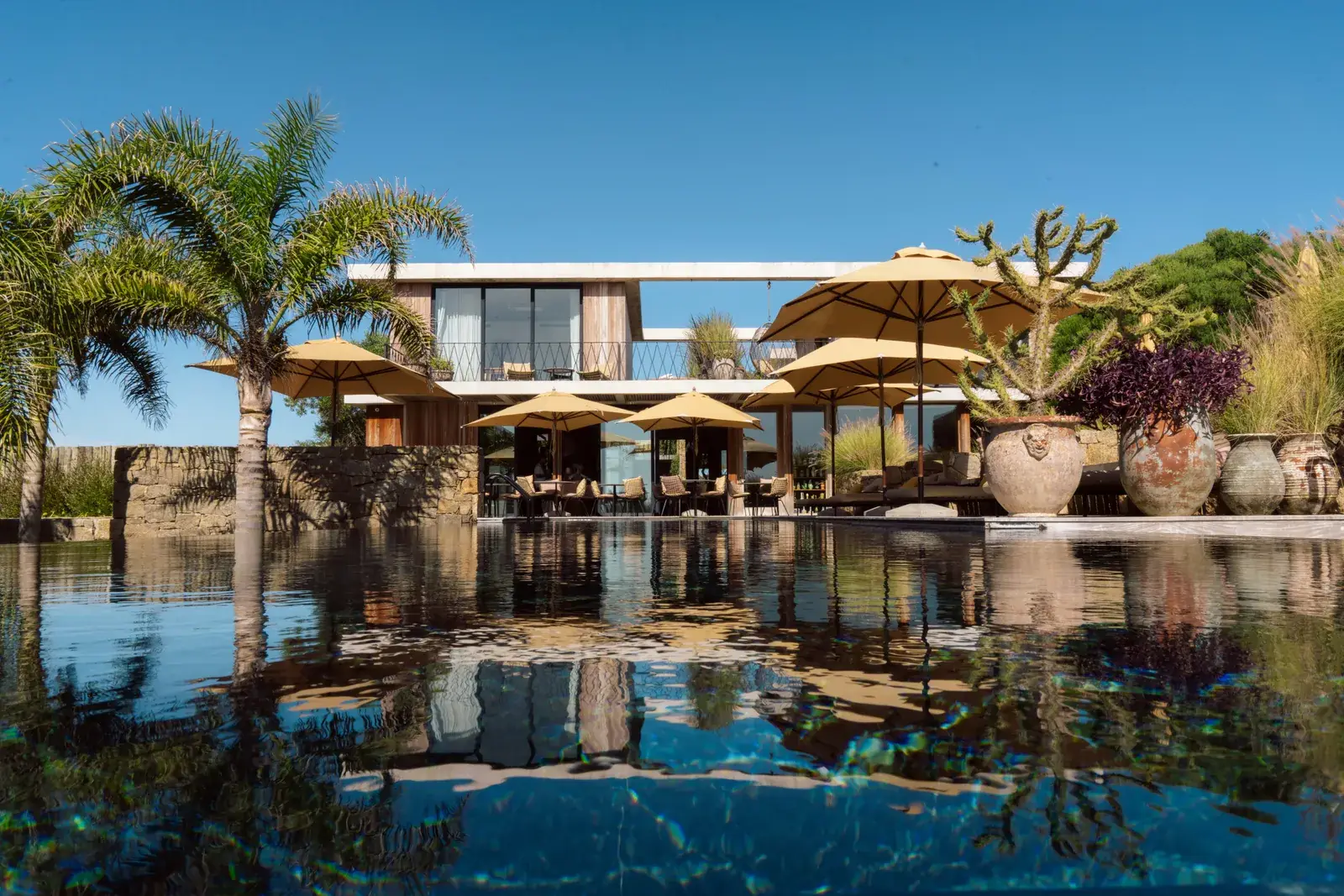
When travel directors and independent travelers evaluate the best boutique stays for weekend getaways, the main goal is to balance quick access with meaningful spatial seclusion. A common misunderstanding assumes that any stylish hotel featuring fewer than fifty rooms provides an ideal short-break environment. However, properties that lack specialized arrival planning and dedicated service entryways often suffer from slow check-ins, noisy public spaces, and limited dining hours. These operational defects directly eat into a brief two-day stay.
Furthermore, analyzing premier micro-properties requires separating superficial aesthetic framing from functional hospitality architecture. A boutique suite or glass pavilion featuring panoramic rural views offers little value if it takes ninety minutes of unpaved road transit to reach, lacks soundproof walls, or enforces rigid dining windows. Conversely, an enterprise-grade romantic or restorative micro-property incorporates streamlined check-in procedures, soundproofed floor slabs, and dedicated staff management teams that operate quietly alongside guest spaces.
In addition, assessing these specialized short-break assets requires understanding how property management agreements, arrival logistics, and concierge retainers interact across different regions. Managing a weekend retreat involves navigating local noise curfews, private dining logistics, and late check-out availability. When a reservation plan or travel strategy fails to confirm these operational details in writing, unexpected billing add-ons, municipal noise, or sudden service delays inevitably compromise the trip.
Deep Contextual Background
The evolution of weekend travel lodging reflects a multi-decade shift from generic highway inns and standardized urban hotels toward highly customized, architecturally distinct residential retreats. In the mid-twentieth century, short-duration travel was dominated by regional motor lodges and large city hotels. These properties offered predictable room layouts and centralized dining. However, they lacked private outdoor spaces, quiet surroundings, and personalized concierge support.
Eventually, rapid urban expansion, increased workplace stress, and shifting traveler preferences altered short-break lodging requirements. Travelers began seeking the privacy and architectural character of a custom residence combined with the high service standards, safety protocols, and dining flexibility of a luxury hotel. Developers responded by creating purpose-built boutique compounds within a two-to-three-hour driving radius of major metropolitan centers. Consequently, these properties featured high-speed fiber-optic backbones, private plunge pools, dedicated wellness rooms, and integrated smart-home environmental controls.
In the contemporary landscape, evaluating properties for weekend stays has matured into a specialized real estate and hospitality discipline. Modern boutique portfolios combine sustainable architectural engineering with regional cultural integration, medical-grade air filtration, and private hospitality teams managed by dedicated estate firms. By combining residential seclusion with professional hotel-grade operational planning, premier micro-properties allow travelers to enjoy restorative personal breaks without spending half their trip in transit.
Conceptual Frameworks and Mental Models
Navigating the evaluation and selection of elite short-break properties requires structured analytical models that balance transit friction, spatial isolation, and operational governance.
The Transit-to-Restoration Ratio (TRR) Model
This framework evaluates the net relaxation efficiency of a weekend stay by comparing total round-trip transit time against usable on-site leisure hours:
-
Operational Efficiency Benchmark: A weekend getaway achieves optimal relaxation efficiency when the TRR score remains above 4.0. This means that for every hour spent in transit, the traveler enjoys at least four hours of undisturbed on-site leisure.
The Spatial Friction and Noise Isolation Matrix
This model evaluates a property’s operational security across three distinct structural layers:
-
Transit and Access Layer: Proximity to primary regional airports or highway corridors, paved access roads, and automated check-in procedures.
-
Acoustic and Visual Isolation Layer: STC 55+ sound-rated walls, insulated glazing, quiet HVAC systems, and screened terraces.
-
Service Speed Layer: Direct-to-suite check-in, 24-hour in-room dining, and flexible late check-out guarantees.
Key Categories or Variations
When analyzing micro-property options across major geographic regions, weekend getaway stays fall into distinct architectural, climatic, and operational categories. Industry analysts classify these properties into six primary variations.
Regional Coastal Bluff Sanctuaries
Modernist stone and glass compounds perched along ocean bluffs within two hours of major coastal cities, featuring private plunges and sea-facing decks.
-
Trade-Offs: Delivers dramatic ocean views and mild coastal climates. On the downside, it faces steep terrain access, marine air corrosion, and seasonal coastal fog.
Mountain Valley and Alpine Enclaves
Timber and stone lodges in high-altitude valleys featuring private hot tubs, wood-burning fireplaces, and immediate access to hiking or ski trails.
-
Trade-Offs: Offers mountain vistas and crisp seasonal air. However, it requires navigating mountain passes, potential snow disruptions, and sub-zero freeze risks.
Arid Desert Wellness Pavilions
Rammed-earth and glass estates engineered for solar mass efficiency, featuring outdoor star-gazing beds, deep soaking tubs, and private plunge pools.
-
Trade-Offs: Provides year-round sunshine and quiet surroundings. Conversely, it demands high-capacity cooling systems, low-e solar glazing, and fine dust filtration.
Historic Countryside Manor Estates
Restored historic brick or stone mansions surrounded by private gardens, vineyard acres, and farm-to-table dining facilities.
-
Trade-Offs: Delivers rich architectural heritage and quiet green settings. On the other hand, it faces historic preservation limits, narrow access paths, and legacy utility grids.
Urban Micro-Boutique Hideaways
Multi-story historic townhomes or industrial lofts in vibrant cultural districts featuring private courtyard lightwells and soundproofed interiors.
-
Trade-Offs: Grants immediate access to city dining and arts. Nevertheless, it involves urban noise challenges, curbside transport limits, and high valet fees.
Forest and Lakefront Cabin Compounds
Heavy-timber and glass cabins tucked into dense pine forests or along quiet lakeshores featuring private dockage and outdoor fire pits.
-
Trade-Offs: Offers serene water views and deep natural immersion. On the downside, it requires seasonal pest management, rural road transit, and variable mobile coverage.
Weekend Boutique Property Category Comparison Matrix
Detailed Real-World Scenarios
Examining real-world scenarios illustrates how transit logistics, arrival procedures, and environmental controls directly impact short-break stays.
Optimizing Arrival Speed for a Friday-to-Sunday Urban Escape
A corporate executive arranged a 48-hour weekend break at a boutique estate situated two hours outside a major financial center.
-
Constraints: Friday evening departure post-market close; flightless transit window; mandatory Sunday evening return.
-
Decision Points: When reviewing choices for the best boutique stays for weekend getaways in surrounding rural areas, the travel planner selected a property offering digital keyless entry and pre-staged in-suite dining.
-
Failure Modes Identified: Traditional check-in desks at small inns often close by 9:00 PM or operate with minimal night staff, causing severe arrival delays for late-traveling guests.
-
Second-Order Effects: The keyless entry and pre-staged late dinner allowed the executive to bypass reception entirely, gaining two hours of relaxation on Friday night.
-
Resolution: The short break executed without logistical friction, proving the value of auditing late-arrival protocols.
Managing Seasonal Weather Disruptions at an Alpine Lodge
A couple booked a three-day weekend stay at a high-altitude mountain retreat accessible via a single canyon road.
-
Constraints: 72-hour total stay window; high likelihood of early-winter snowfall; mandatory return flight on Monday morning.
-
Decision Points: The travel planner verified that the property maintained 24-hour private plow contracts, heated driveway systems, and flexible late check-out guarantees.
-
Failure Modes Identified: Heavy snowfall can block unheated mountain driveways, trapping guests and causing missed flights.
-
Second-Order Effects: When an unpredicted snowstorm hit on Saturday night, the property’s automated driveway heating kept the exit clear, while on-site plows cleared the private access road.
-
Resolution: The guests departed on schedule without stress, highlighting the necessity of verifying weather-clearing infrastructure before booking mountain stays.
Planning, Cost, and Resource Dynamics
Optimizing resource allocation across short-break property stays requires balancing baseline room tariffs against unbundled service fees, transport costs, and arrival logistics.
Direct Versus Indirect Expenditures
-
Direct Expenses: Nightly tariffs, mandatory resort or facility fees, local occupancy taxes, and cleaning surcharges.
-
Indirect Expenses: Highway tolls, private driver transfers, early check-in fees, unbundled parking retainers, and late check-out fees.
Financial Planning Matrix for Weekend Lodging Allocations
Tools, Strategies, and Support Systems
Executing a flawless short-break travel strategy relies on specialized analytical tools, property auditing checklists, and accredited booking networks.
-
Isochrone Transit Mapping Applications: Utilizing geographical software to map true travel times from home bases based on peak Friday traffic patterns.
-
Direct-to-Property Arrival Audits: Contacting property managers directly to verify keyless entry options, night staff availability, and late check-out policies.
-
Acoustic and Sightline Mapping Reviews: Analyzing architectural layouts and satellite photos to ensure suites are decoupled from public bars or main roads.
-
Pre-Arrival Concierge Portals: Utilizing digital preference sheets to order in-room dining, wine selections, and spa treatments prior to arrival.
-
Weather and Access Tracking Systems: Monitoring real-time road conditions, mountain pass camera feeds, and local weather updates before departure.
-
Flexibility-Focused Booking Channels: Utilizing booking engines or corporate rates that include penalty-free cancellation up to 24 hours before check-in.
Risk Landscape and Failure Modes
Failing to properly evaluate travel logistics, soundproofing, and arrival procedures introduces operational risks that ruin brief weekend stays.
Excessive Transit Times Erasing Vacation Value
Selecting properties located too far from home bases or major airports, resulting in spending half the weekend navigating traffic or flight delays.
Unbuffered Acoustic Interferences
Booking boutique properties that lack soundproof walls or host loud weekend events like weddings, destroying quiet relaxation during late hours.
Rigid Check-In and Check-Out Deadlines
Reserving stays at properties enforcing strict 4:00 PM check-in and 10:00 AM check-out rules, effectively trimming a two-day trip into a 30-hour stay.
Governance, Maintenance, and Long-Term Adaptation
Sustaining high operational standards across short-break travel plans requires continuous property auditing, post-stay reviews, and disciplined scheduling.
-
Pre-Booking Verification Protocol: Conduct a thorough check confirming travel times, late-arrival procedures, acoustic ratings, and late check-out terms.
-
Post-Stay Invoice Audit: Inspect checkout statements line-by-line within three business days to ensure unapproved resort fees or parking charges are removed.
-
Layered Weekend Planning Checklist:
-
Confirm that drive time does not exceed three hours from the departure point.
-
Verify that the property offers automated keyless entry or 24-hour front desk staffing.
-
Confirm that bedrooms are acoustically decoupled from dining and pool areas.
-
Secure written confirmation of late check-out privileges to maximize Sunday leisure hours.
-
Measurement, Tracking, and Evaluation
Assessing the overall success of a weekend getaway involves monitoring quantitative time-efficiency metrics alongside qualitative relaxation signals.
Key Performance Indicators
-
Transit-to-Restoration Ratio (TRR): Total usable on-site leisure hours divided by total round-trip transit hours (Target: > 4.0).
-
Schedule Integrity Index: The percentage of planned leisure hours executed without logistical delays or service interruptions (Target: 95%).
-
Check-In Velocity Rate: Total minutes elapsed between arriving at the property gate and stepping inside the private suite (Target: < 5 minutes).
Common Misconceptions and Oversimplifications
Shorter Travel Distances Always Mean Worse Scenery
Exceptional micro-properties often exist within an hour of major cities, using clever architectural landscaping to create complete seclusion.
Small Property Size Guarantees Absolute Quiet
Boutique hotels with fewer than twenty rooms can be far noisier than large hotels if they host private events or lack soundproof construction.
Room Upgrades Matter Most on Short Trips
On a two-day stay, guaranteed early check-in and late check-out deliver far more relaxation value than a slightly larger room footprint.
All Boutique Stays Offer 24-Hour Room Service
Many small independent properties close their kitchens early, leaving late-arriving weekend guests without dining options.
Ethical, Practical, or Contextual Considerations
Planning short-duration travel around independent properties requires balancing personal relaxation with environmental and community respect. Short-distance getaways naturally reduce travel carbon footprints compared to long-haul flights. However, small regional communities often face traffic congestion and housing pressures from tourist expansion. Supporting locally owned boutique stays that pay fair wages, source food from neighboring farms, and use renewable energy microgrids ensures that weekend travel remains environmentally responsible and beneficial to host destinations.
Conclusion
Selecting the best boutique stays for weekend getaways requires a disciplined analytical approach. Planners must calculate true transit times, audit arrival protocols, verify acoustic insulation, and secure flexible check-out terms. Relying solely on promotional images or unvetted booking sites exposes short trips to traffic delays, late check-in bottlenecks, and noise disruptions. Conversely, by evaluating transit-to-restoration ratios, using keyless entry options, and selecting architecturally isolated properties, travelers protect every hour of their trip. Ultimately, careful planning and operational auditing transform brief weekend breaks into deeply restorative, stress-free retreats.