Best Boutique Stays for Honeymoons: Definitive Master Guide
Evaluating high-end post-nuptial lodging, boutique hotel architectures, private estate management, and romantic itinerary logistics across international microclimates reveals a highly demanding operational domain. The global luxury travel sector has shifted decisively away from massive multi-hundred-room mega-resorts and standardized honeymoon packages. Today, discerning couples, private wealth managers, and specialized travel advisors prioritize intimate boutique properties. Consequently, these micro-inventory sanctuaries offer absolute spatial control, customized culinary staffing, secure visual perimeters, and deep integration with surrounding natural landscapes.
Analyzing premier romantic boutique properties requires looking far past promotional lifestyle photography. Instead, planners must inspect the underlying physical, legal, and operational infrastructure with analytical detachment. A boutique property positioned along a Mediterranean cliffside, an alpine valley, a desert oasis, or a tropical island key operates under distinct municipal lodging codes, severe atmospheric exposure limits, and complex supply chain dependencies. Therefore, estate managers and luxury travel planners must evaluate noise attenuation specs, private plunge pool thermal controls, staff service choreography, and off-grid utility redundancies. When a property fails to execute these operational protocols, service friction and spatial intrusions quickly compromise the retreat.
Assessing specialized honeymoon accommodations demands evaluating spatial privacy buffers, structural acoustic insulation, staff-to-guest ratios, and net effective daily cost calculations. When couples, family office coordinators, and luxury travel consultants evaluate global inventory, learning how to audit and select the best boutique stays for honeymoons represents a vital exercise in site analysis, contract auditing, and operational risk management. Recognizing how property managers handle back-of-house service routes, enforce visual isolation, and structure bespoke guest itineraries is essential for securing seamless, high-value outcomes.
Understanding best boutique stays for honeymoons
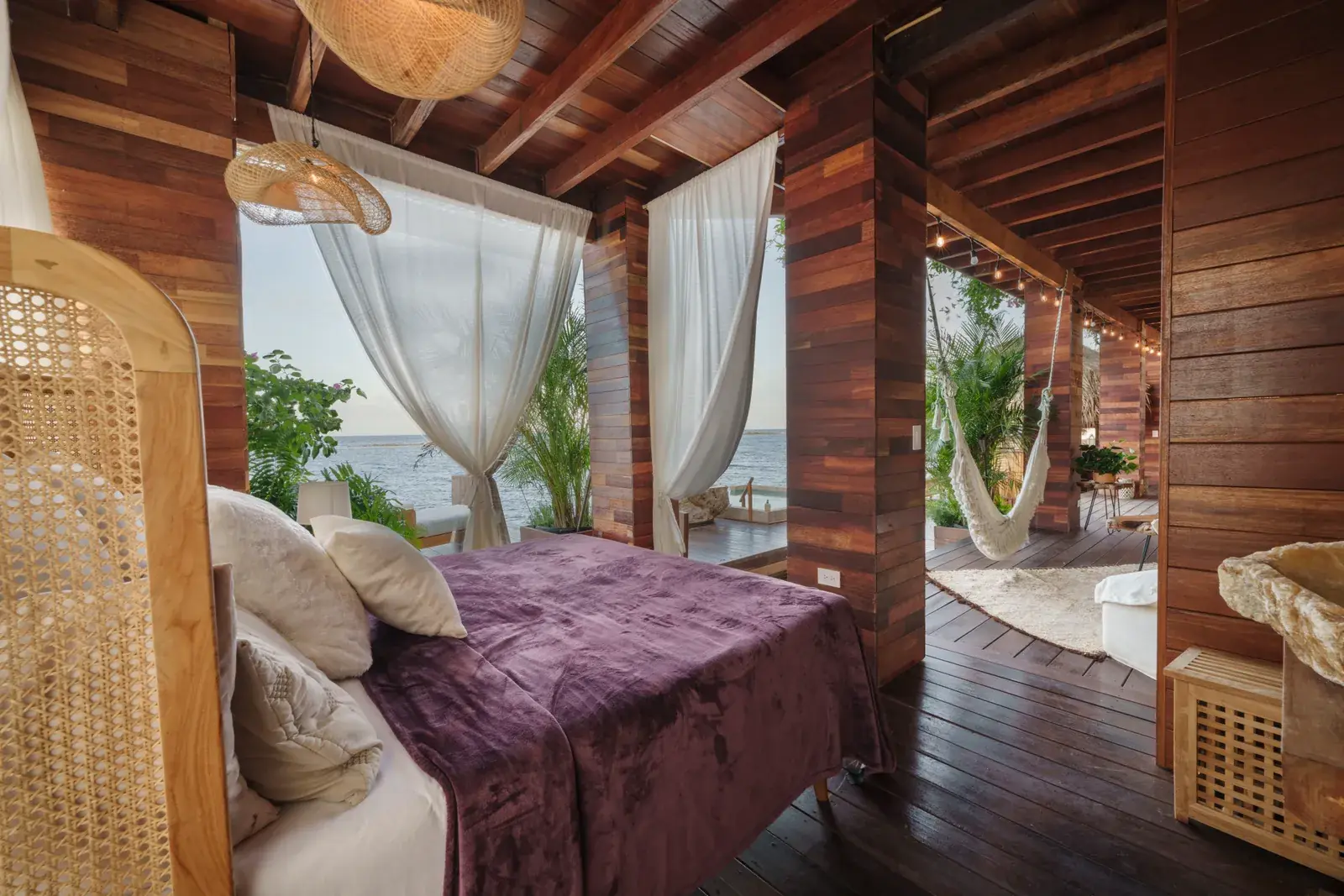
When luxury travel advisors, asset managers, and couples evaluate the best boutique stays for honeymoons, the primary task involves distinguishing genuinely secluded, high-service micro-properties from generic small-scale commercial hotels. A widespread misunderstanding assumes that any stylish hotel featuring fewer than fifty rooms automatically provides an ideal honeymoon environment. In reality, properties lacking specialized structural planning and dedicated service corridors frequently suffer from acoustic bleed, unbuffered service traffic, and inadequate kitchen throughput that degrade daily living quality.
Furthermore, analyzing premier romantic boutique property configurations requires separating superficial aesthetic framing from functional hospitality architecture. A honeymoon suite or glass pavilion featuring floor-to-ceiling ocean views provides minimal restorative value if the building lacks low-e solar glazing, automated privacy shades, acoustic soundproofing, or accessible service entryways. Conversely, an enterprise-grade romantic boutique property incorporates subterranean service tunnels, soundproofed structural floor slabs, and integrated staff management teams that operate completely independent of primary guest relaxation zones.
In addition, assessing these specialized assets requires understanding how property management agreements, municipal short-term lodging permits, and concierge retainers interact. Managing an elite honeymoon stay involves navigating localized noise curfews, private dining logistics, and staff shift scheduling. When a travel reservation plan or acquisition strategy fails to audit these operational variables in writing, unexpected financial surcharges, municipal fines, or sudden service breakdowns inevitably compromise the stay.
Deep Contextual Background
The evolution of honeymoon lodging models reflects a multi-decade transition from generic resort packages to highly customized, architecturally distinct residential retreats. In the mid-twentieth century, post-nuptial travel was dominated by standardized mega-resorts and classic hotel suites. These properties offered recognizable amenities and centralized dining. However, they suffered from repetitive layouts, crowded public pools, and non-exclusive public spaces.
Eventually, rapid global wealth expansion and shifting traveler preferences altered romantic lodging requirements. Couples began seeking the absolute spatial control and privacy of a private residence combined with the rigorous service standards, safety protocols, and concierge support of a five-star hotel. Developers and property owners responded by constructing purpose-built romantic boutique compounds. Consequently, these new properties featured private plunge pools, high-speed fiber-optic backbones, professional commercial kitchens, dedicated wellness pavilions, and integrated smart-home environmental automation.
In the contemporary landscape, evaluating properties for romantic stays has matured into a specialized real estate and hospitality discipline. Modern boutique portfolios combine sustainable architectural engineering with local cultural integration, medical-grade air and water purification, and private hospitality teams managed by dedicated estate management firms. By integrating residential privacy with professional hotel-grade operational planning, premier romantic boutique properties allow couples to enjoy personal restorative travel in total seclusion.
Conceptual Frameworks and Mental Models
Navigating the evaluation and selection of elite romantic boutique properties requires structured analytical models that balance physical resilience, spatial equity, and operational governance.
The Privacy and Visual Attenuation Matrix
This framework evaluates a property’s operational discretion across three critical spatial layers:
-
Sightline Security Layer: Structural parapets, angled louver screens, and native landscaping that prevent neighboring terraces or drones from viewing private pools.
-
Acoustic Isolation Layer: STC 55+ sound-rated party walls, insulated glazing, quiet HVAC ductwork, and structural slab decoupling.
-
Service Discretion Layer: Subterranean staff pathways, discrete butler pantries, and silent door-chime indicators for food deliveries.
The Honeymoon Total Cost of Occupancy (TCO) Model
This model structures the true financial baseline of a romantic boutique stay by aggregating base tariffs alongside unbundled operational overhead:
-
Financial Efficiency Benchmark: A romantic boutique arrangement achieves optimal financial clarity when unbundled service fees and municipal taxes do not exceed fifteen percent of the baseline lease or stay tariff.
Key Categories or Variations
When analyzing romantic boutique property configurations across global destinations, property models fall into distinct architectural, climate, and operational categories. Industry analysts classify these premier assets into six primary variations.
Cliffside Mediterranean Villa Sanctuaries
Modernist stone and glass sanctuaries perched along coastal bluffs featuring infinity edge plunge pools, private sea platforms, and marine-hardened engineering.
-
Trade-Offs: This option delivers dramatic marine views and mild climates. However, it requires navigating steep cliff access, coastal commission regulations, and high atmospheric humidity.
Tropical Overwater and Beachfront Pavilions
Gated island compounds featuring timber-and-thatch pavilions, private lagoon access, overwater viewing decks, and open-air bathroom layouts.
-
Trade-Offs: This choice offers direct ocean access and tropical weather. On the downside, it involves humid climate controls, tropical storm hardening, and marine transport dependencies.
Alpine Luxury Chalet Hideaways
Timber, copper, and stone compounds in high-altitude valleys featuring sweeping mountain vistas, private cedar hot tubs, and heated outdoor living terraces.
-
Trade-Offs: This model provides direct mountain access and dramatic winter scenery. Nevertheless, it faces sub-zero weather logistics, snow-load stress, and seasonal freeze protection overhead.
Desert Oasis Wellness Compounds
Rammed-earth and glass estates in arid valleys engineered for solar mass efficiency, featuring deep biophilic design, outdoor star-gazing beds, and private plunge pools.
-
Trade-Offs: This setup grants year-round sunshine and quiet surroundings. Conversely, it demands high-capacity HVAC cooling systems and fine dust air filtration.
Historic Urban Palace and Townhome Estates
Multi-story historic brick or stone mansions in cultural capitals combining restored historic facades, private rear garden courtyards, and modern interior glass lightwells.
-
Trade-Offs: This variation delivers rich architectural heritage and immediate city access. On the downside, it involves navigating historic preservation rules, narrow access roads, and street noise.
Countryside Estate and Vineyard Compounds
Sprawling rural compounds combining private vineyard acres, farm-to-table culinary facilities, and quiet garden pavilions.
-
Trade-Offs: This category offers world-class culinary integration and serene outdoor settings. However, it faces agricultural zoning codes, seasonal pest management, and rural transport logistics.
Regional Romantic Boutique Category Comparison Matrix
Detailed Real-World Scenarios
Analyzing real-world scenarios demonstrates how architectural due diligence, environmental controls, and operational staffing impact high-stakes romantic stays.
Auditing Visual Privacy on a Santorini Cliffside Estate
A luxury travel advisor evaluated a high-end boutique villa in Oia featuring a cliffside plunge pool for a two-week honeymoon booking.
-
Constraints: Uncompromising visual privacy from public pedestrian paths; private plunge pool heating; strict historic caldera preservation rules.
-
Decision Points: When reviewing the best boutique stays for honeymoons in cliffside destinations, the advisor verified that the property featured angled stone parapets and private lower-terrace access.
-
Failure Modes Identified: Many caldera properties in Santorini feature pools exposed directly to public hiking trails, destroying guest privacy.
-
Second-Order Effects: The installed stone parapets blocked public viewing angles while preserving unobstructed views of the sea horizon.
-
Resolution: The couple enjoyed total privacy in their plunge pool, proving the necessity of auditing site sightlines prior to booking.
Overcoming Climate and Humidity Stress in a Maldivian Overwater Villa
A couple booked a ten-day overwater villa at a private island micro-resort in the Maldives for their honeymoon.
-
Constraints: 24-hour medical-grade climate control; quiet pool filtration mechanics; seamless in-villa dining service.
-
Decision Points: The travel coordinator confirmed that the villa featured positive-pressure HVAC units, marine-grade sliding door seals, and a subterranean service jetty connection.
-
Failure Modes Identified: Tropical ocean air causes rapid humidity buildup and sliding door salt-corrosion if mechanical seals are neglected.
-
Second-Order Effects: The high-performance environmental seals maintained indoor humidity at a comfortable forty percent while eliminating exterior ocean noise.
-
Resolution: The stay executed without mechanical or environmental disruptions, highlighting the importance of verifying climate systems in marine environments.
Planning, Cost, and Resource Dynamics
Optimizing capital deployment across romantic boutique property bookings requires balancing base tariffs against unbundled staffing retainers, environmental operating costs, and municipal taxes.
Direct Versus Indirect Expenditures
-
Direct Costs: Base nightly tariffs, mandatory staff gratuities, security deposits, and local municipal lodging taxes.
-
Indirect Costs: Private boat or helicopter transfer fees, premium wine cellar allocations, specialized spa retainers, and custom dining provisioning markups.
Financial Planning Matrix for Romantic Boutique Leasing
Tools, Strategies, and Support Systems
Executing error-free romantic boutique property bookings relies on specialized digital analytical tools, property audit platforms, and accredited agency partnerships.
-
Sightline and GIS Solar Orientation Mapping Tools: Utilizing geographical software to analyze view fields, solar angles, and optical privacy screening prior to booking.
-
Specialized Luxury Villa Brokerage Networks: Working with accredited travel agencies that audit municipal short-term rental permits and property safety compliance.
-
Encrypted Satellite and Mesh Wi-Fi Systems: Partnering with IT specialists to verify dedicated backup routers and secure VPN tunnels in remote locations.
-
Estate Acoustic and Layout Audits: Inspecting architectural floor plans to verify that guest living areas insulate bedrooms from service corridors.
-
Pre-Arrival Provisioning Portals: Utilizing digital preference sheets to coordinate specialized dietary restrictions, wine cellars, and household stocking.
-
Comprehensive Travel Insurance with Weather Riders: Securing robust insurance policies to protect against trip interruptions caused by severe weather events.
Risk Landscape and Failure Modes
Failing to properly vet environmental infrastructure, terrain stability, and contractual terms introduces severe operational vulnerabilities during romantic boutique stays.
Unmitigated Environmental Stress and Mechanical Failure
Reserving properties where coastal salt-air or desert dust degrades exterior sliding door tracks, HVAC condensers, or outdoor lighting systems, leading to mid-stay failures.
Optical and Privacy Compromise from Public Access Paths
Selecting properties situated near public hiking trails, golf courses, or beaches where casual sightseers disrupt guest privacy along primary viewing decks.
Inflexible Dining and Service Rosters
Booking boutique stays that enforce rigid dining hours or public restaurant seating, preventing couples from enjoying spontaneous in-suite dining.
Governance, Maintenance, and Long-Term Adaptation
Sustaining high operational standards across romantic boutique residential assets requires continuous property maintenance, environmental monitoring, and rigorous pre-arrival audits.
-
Pre-Arrival Inspection Protocol: Conduct a 48-hour checklist verifying automated shade operation, HVAC chillers, plunge pool heating, and audio systems.
-
Quarterly Staff Security Reviews: Evaluate staff non-disclosure compliance, cybersecurity protocols, and emergency response readiness for remote locations.
-
Layered Estate Maintenance Checklist:
-
Verify that municipal short-term rental permits and operating licenses are valid.
-
Confirm that backup generators and solar battery systems operate at peak capacity.
-
Inspect perimeter optical screening barriers, glass balustrades, and window seals.
-
Audit pool heating, water purification plants, and HVAC filtration systems.
-
Measurement, Tracking, and Evaluation
Assessing the overall execution and value of a romantic boutique stay involves monitoring both quantitative operational metrics and qualitative living signals.
Key Performance Indicators
-
View Corridor Preservation Score: Verification that primary public-to-private sightlines remain 100% optically secure from neighboring properties or trails.
-
Environmental System Uptime: The percentage of stay duration executed with uninterrupted climate control, power, and automated window shading (Target: 100%).
-
Guest Stay Satisfaction Score: Qualitative survey rating evaluating check-in efficiency, culinary execution, staff attentiveness, and overall stay fluidity.
Common Misconceptions and Oversimplifications
Panoramic Glass Walls Automatically Guarantee Comfort
Large glass facades without low-e coatings or automated exterior shades cause severe solar heat gain, extreme glare, and thermal discomfort.
Scenic Isolation Eliminates the Need for Security
Remote scenic properties along coastal bluffs or mountain ridges require robust physical security and access control to prevent unauthorized land entry.
Promotional Photography Captures Year-Round Landscape Quality
Marketing photos showcase peak seasonal lighting; winter snow clearing, seasonal vegetation die-back, or fog patterns can drastically alter view quality.
Boutique Villa Rentals Are Always More Expensive Than Hotel Suites
When booking extended stays or requiring private pool facilities and dedicated staff, renting a single boutique private compound delivers lower net per-day costs than multi-room hotel suites.
Ethical, Practical, or Contextual Considerations
Operating and leasing luxury boutique properties across delicate coastal, alpine, or desert ecosystems carries significant environmental and social responsibilities. Property managers, developers, and principal guests must balance personal luxury with local ecological conservation, water stewardship, and community respect. Sustainable estate management practices—such as utilizing solar microgrids, harvesting rainwater, landscaping with fire-defensible native plants, and employing local staff fairly—ensure that private compounds harmonize with their natural surroundings. Respecting local environmental codes transforms boutique property leasing into a sustainable, highly responsible sector of international travel.
Conclusion
Evaluating and selecting the best boutique stays for honeymoons requires a structured analytical approach. Coordinators must connect site orientation, environmental engineering, technical infrastructure, and operational risk management. Relying solely on promotional marketing photography or unvetted booking portals exposes travelers to solar heat discomfort, privacy breaches, and maintenance disruptions. Conversely, by evaluating view-corridor matrices, auditing environmental systems, leveraging accredited brokerage networks, and verifying pre-arrival logistical staging, couples and travel directors ensure complete operational control. Ultimately, thorough due diligence and proactive risk management transform romantic boutique stays into secure, seamless, and deeply restorative experiences.