Best Boutique Stays for Corporate Retreats: Master Operations Guide
Organizing high-stakes executive summits, strategic planning offsites, and corporate leadership retreats requires moving far beyond conventional event planning paradigms. When enterprise leadership teams step outside the board room, the physical environment must actively support intense cognitive focus, strategic alignment, and absolute confidentiality. Commercial conference hotels, with their cavernous ballrooms, high guest turnover, and generic amenities, frequently fail to provide the spatial intimacy and privacy that modern executive teams demand. Consequently, corporate travel directors, chief of staff officers, and event strategists have increasingly pivoted toward independent micro-inventory properties.
Evaluating specialized lodging for corporate groups demands an analytical framework that connects physical site architecture with operational infrastructure. A boutique ranch in the mountain West, a coastal villa compound, a desert pavilion, or a historic countryside manor operates under unique local zoning laws, environmental limits, and staffing models. Therefore, corporate procurement leads must look past superficial aesthetic appeals to inspect underlying IT network redundancies, acoustic insulation ratings, culinary staging capacities, and back-of-house service choreography. Without these rigorous pre-occupancy audits, unpredictable internet outages, noisy public corridors, or inadequate meeting setups can derail critical business objectives.
Assessing high-end micro-properties for enterprise use requires evaluating net effective daily cost models, dual-ISP internet bandwidth, staff-to-guest ratios, and spatial privacy buffers. For chief administrative officers, executive assistants, and travel strategists, selecting the best boutique stays for corporate retreats represents a detailed exercise in risk management, contract negotiation, and operational staging. Recognizing how property managers maintain service fluidity while enforcing spatial and digital security is essential for securing seamless, high-value corporate outcomes.
Understanding best boutique stays for corporate retreats
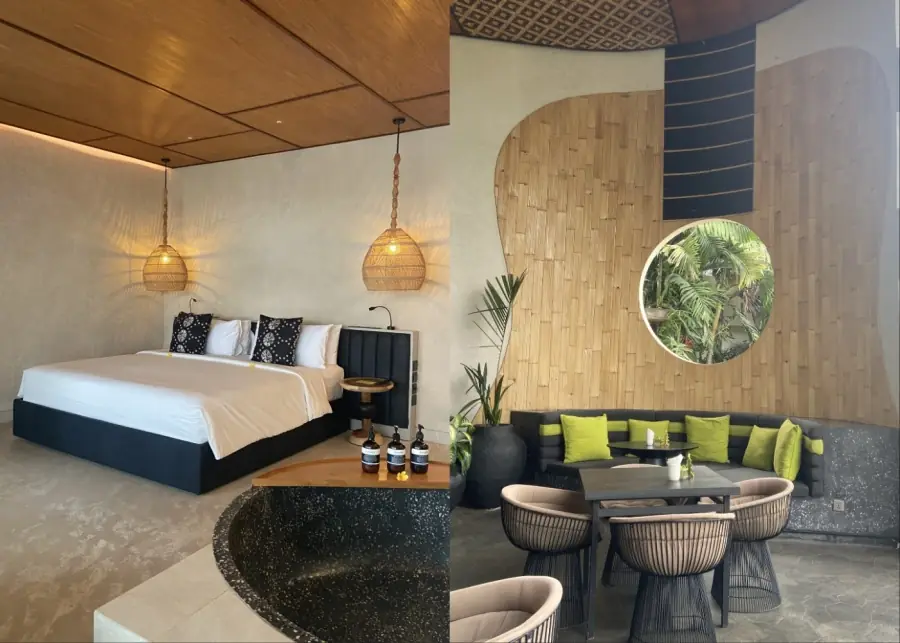
When enterprise leadership teams evaluate the best boutique stays for corporate retreats, the primary objective involves distinguishing genuinely integrated, high-capability micro-resorts from superficial leisure inns. A widespread misunderstanding assumes that any design-forward property with stylish decor and fewer than fifty rooms can host an executive summit smoothly. In reality, properties that lack dedicated meeting pavilions, enterprise-grade network security, and soundproofed breakout spaces frequently suffer from acoustic bleed, poor IT throughput, and conflicting leisure guest traffic that disrupt strategic work.
Furthermore, analyzing professional boutique retreat planning requires separating guest-facing hospitality amenities from back-of-house operational execution. A boutique estate featuring panoramic valley views provides minimal strategic utility if the property lacks redundant fiber-optic internet lines, private dining rooms for confidential discussions, or adequate kitchen capacity to serve custom dietary needs on tight schedules. Conversely, an enterprise-grade retreat venue incorporates subterranean service corridors, soundproofed floor slabs, dedicated staff management teams, and hardware-level network security.
In addition, mastering these specialized corporate procurement workflows requires understanding how property management agreements, commercial liability insurance, and non-disclosure addendums interact across regional jurisdictions. Managing an executive retreat involves navigating seasonal minimum stay requirements, advance provisioning allowances, and local noise curfews. When a corporate travel lead fails to confirm these operational parameters in writing, unexpected billing surcharges, municipal fines, or sudden service bottlenecks inevitably compromise the event.
Deep Contextual Background
The evolution of corporate retreat lodging reflects a structural transition from standardized airport convention hotels toward highly customized, architecturally distinct residential compounds. In the late twentieth century, corporate offsites were dominated by large chain hotels offering predictable boardrooms, standardized catering menus, and centralized business centers. While these institutional properties provided consistent baseline amenities, they lacked privacy, spatial character, and authentic regional culinary offerings.
Eventually, the rise of remote executive teams, decentralized corporate structures, and heightened corporate governance demands altered offsite requirements. Executive leadership sought the spatial control and confidentiality of a private estate combined with the rigorous service standards, safety protocols, and administrative support of a five-star luxury hotel. Developers and property owners responded by creating purpose-built corporate boutique compounds across major regional markets. Consequently, these new properties integrated high-speed fiber-optic backbones, professional AV infrastructure, private wellness centers, and farm-to-table dining facilities.
In the contemporary landscape, evaluating micro-inventory properties for corporate retreats has matured into a specialized procurement and operational discipline. Modern retreat portfolios combine sustainable architectural engineering with local cultural integration, advanced cybersecurity protocols, and private hospitality teams managed by accredited estate firms. By combining spatial privacy with enterprise-grade technology, premier boutique venues enable corporate leaders to execute confidential M&A discussions, board retreats, and product launch roadmaps without operational friction.
Conceptual Frameworks and Mental Models
Navigating the evaluation and selection of corporate boutique properties requires structured analytical models that balance technical resilience, spatial privacy, and financial clarity.
The Corporate Offsite Resilience Matrix
This framework evaluates a property’s operational capabilities across three critical functional layers:
-
Digital and Network Resilience Layer: Dual-ISP fiber connections, automated satellite failover, enterprise WPA3 Wi-Fi coverage, and physical Ethernet access in meeting areas.
-
Acoustic and Spatial Isolation Layer: STC 55+ rated walls, private meeting rooms decoupled from public dining, secure perimeter access, and visual privacy screening.
-
Culinary and Service Execution Layer: Dedicated private chef teams, pre-negotiated dietary staging, synchronized coffee-break logistics, and 24-hour administrative support.
The Total Cost of Offsite Occupancy (TCOO) Model
This model structures the true financial baseline when analyzing corporate retreat venues by aggregating base daily tariffs alongside unbundled operational overhead:
-
Financial Efficiency Benchmark: A corporate retreat arrangement achieves optimal financial clarity when unbundled service markups, IT fees, and catering surcharges do not exceed fifteen percent of the base property tariff.
Key Categories and Variations
When evaluating domestic and international micro-inventory properties across regional microclimates, corporate retreat venues fall into distinct architectural, geographical, and operational categories. Industry analysts classify these flagship enterprise assets into six primary models.
Coastal Bluff Executive Compounds
Modernist glass and concrete compounds perched along coastal bluffs featuring ocean views, private meeting pavilions, and sea-air-hardened engineering.
-
Trade-Offs: Delivers inspiring natural vistas and mild coastal climates. However, it requires navigating coastal access roads, marine air corrosion, and seasonal coastal fog.
Mountain Valley Alpine Retreats
Heavy timber, copper, and native stone lodges in high-altitude valleys featuring private breakout rooms, wood-burning hearths, and outdoor team-building access.
-
Trade-Offs: Offers quiet mountain environments and crisp air. On the downside, it faces winter pass access risks, snow clearing overhead, and sub-zero freeze protection logistics.
Arid Desert Wellness Sanctuaries
Rammed-earth and glass estates in desert regions engineered for solar mass efficiency, featuring outdoor dining terraces, plunge pools, and biophilic design.
-
Trade-Offs: Provides year-round sunshine and quiet surroundings. Nevertheless, it demands high-capacity HVAC cooling systems, low-e solar glazing, and fine dust air filtration.
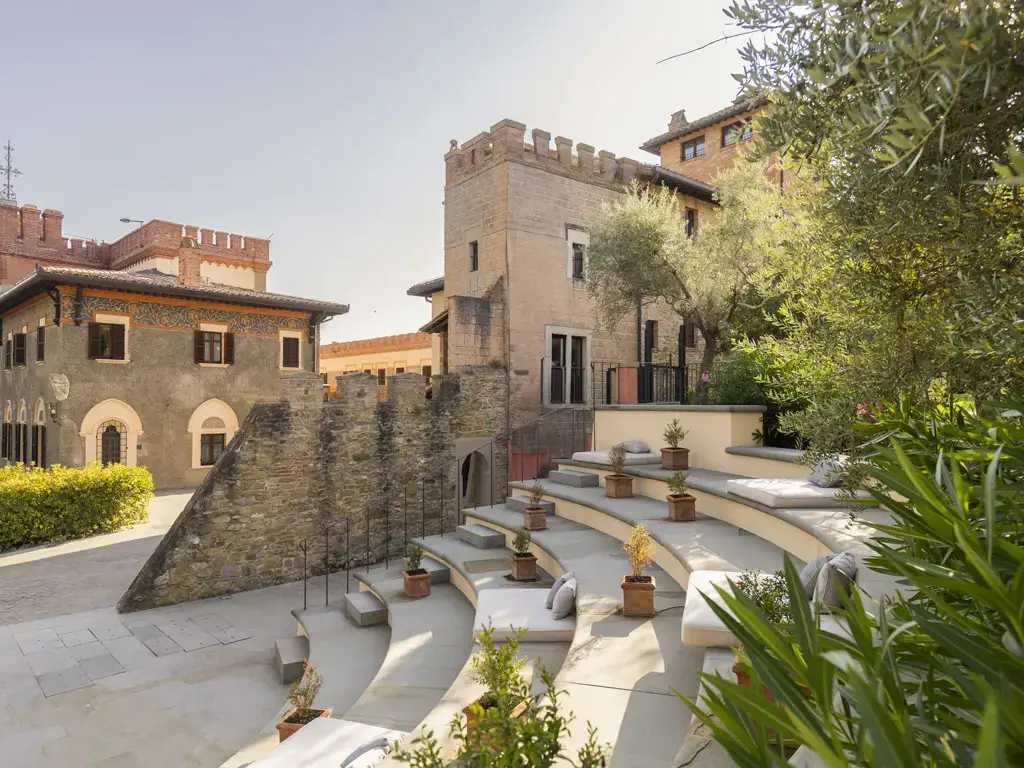
Historic Countryside Estate Manors
Restored historic brick or stone manors surrounded by private gardens, vineyard acres, and farm-to-table culinary staging facilities.
-
Trade-Offs: Delivers rich architectural heritage and quiet rural settings. On the other hand, it involves navigating historic preservation rules, narrow access paths, and legacy utility grids.
Urban Micro-Boutique Hideaways
Multi-story historic townhomes or industrial lofts in vibrant cultural districts featuring soundproofed meeting rooms and private courtyard lightwells.
-
Trade-Offs: Grants immediate access to urban dining and cultural arts. Convertible to high-density executive summits. Conversely, it faces urban noise challenges, valet limits, and high parking costs.
Forest and Lakefront Retreat Lodges
Heavy-timber cabins and lodges set within pine forests or along quiet lakeshores featuring private docks and outdoor fireplaces.
-
Trade-Offs: Offers peaceful water views and deep natural immersion. On the downside, it requires seasonal pest management, rural road transit, and variable mobile network coverage.
Corporate Boutique Property Category Comparison Matrix
Detailed Real-World Scenarios
Analyzing detailed real-world scenarios demonstrates how technical pre-audits, environmental controls, and operational staging impact enterprise retreats.
Mitigating IT Failures During an M&A Strategy Summit
A corporate travel director evaluated a luxury mountain lodge in Utah for a confidential 15-person executive board meeting.
-
Constraints: 15 executive attendees; continuous encrypted video conferencing requirements; strict non-disclosure security.
-
Decision Points: When evaluating options among the best boutique stays for corporate retreats in mountain areas, the director insisted on performing an on-site network audit verifying dual-ISP lines (fiber primary with automatic Starlink satellite backup).
-
Failure Modes Identified: A localized windstorm knocked out the primary landline fiber connection during the second morning of strategic presentations.
-
Second-Order Effects: The property’s automated network switch transferred all traffic to the satellite connection within two seconds, keeping board presentations online without data loss.
-
Resolution: The board meeting proceeded without operational disruption, proving the value of auditing IT network redundancies prior to booking.
Coordinating Culinary Provisioning for a Tech Leadership Offsite
A chief of staff organized a four-day retreat for 20 software engineers at a private vineyard compound in Napa Valley.
-
Constraints: 20 attendees with complex dietary restrictions (gluten-free, vegan, kosher-style); tight meeting schedules; requirement for rapid lunch service.
-
Decision Points: The coordinator established an Advance Provisioning Allowance (APA) with a strict 5% cap on grocery markups and pre-scheduled synchronized buffet staging.
-
Failure Modes Identified: Uncoordinated boutique kitchens often experience dining service delays, consuming valuable afternoon breakout hours.
-
Second-Order Effects: Pre-staging meal prep allowed the culinary team to serve full multi-course lunches within 45 minutes, keeping afternoon strategic sessions on schedule.
-
Resolution: The offsite achieved all strategic planning milestones while maintaining high participant satisfaction scores.
Planning, Cost, and Resource Dynamics
Optimizing capital deployment across corporate retreat bookings requires balancing baseline room tariffs against unbundled IT setup charges, catering markups, and municipal taxes.
Direct Versus Indirect Offsite Expenditures
-
Direct Expenses: Master property lease tariffs, dedicated staff payroll (chefs, housekeepers, AV technicians), meeting room rental fees, and local hotel taxes.
-
Indirect Expenses: Backup generator fuel reserves, airport shuttle transfers, specialized AV equipment rentals, grocery provisioning markups, and late check-out fees.
Financial Planning Matrix for Corporate Retreat Staging
Tools, Strategies, and Support Systems
Executing error-free corporate retreats relies on analytical digital tools, technical site audit platforms, and accredited agency partnerships.
-
Enterprise Network Speed and Latency Testers: Utilizing diagnostic software to verify upload/download speeds, ping rates, and VPN tunnel compatibility on-site.
-
Acoustic Rating and Layout Audit Checklists: Inspecting architectural floor plans to verify that primary meeting rooms hold STC 55+ acoustic ratings and lack shared walls with public bars.
-
Advance Provisioning Accounting Portals: Employing mobile financial tracking applications that allow private chefs and estate managers to log grocery and beverage receipts in real time.
-
Third-Party Escrow Holding Services: Utilizing institutional escrow accounts to secure booking deposits and release funds only after pre-arrival technical checks pass.
-
GIS Solar Orientation and Noise Mapping Software: Analyzing satellite data to verify thermal comfort, outdoor shade coverage, and ambient noise levels across outdoor meeting areas.
-
Standardized Corporate Lease Rider Generators: Deploying legal templates to insert mandatory IT uptime guarantees, quiet hours rules, and fee caps into property agreements.
Risk Landscape and Failure Modes
Failing to properly audit physical security, technical infrastructure, and legal contract terms introduces severe operational vulnerabilities during corporate retreats.
Cybersecurity and Unencrypted Wi-Fi Vulnerabilities
Connecting corporate laptops to unencrypted, shared guest Wi-Fi networks that lack WPA3 enterprise security standards or dedicated firewall insulation.
Unmitigated Acoustic Bleed and Privacy Intrusions
Hosting confidential M&A discussions in meeting rooms adjacent to public dining spaces, exposed to acoustic eavesdropping or visual observation by outside guests.
Culinary Bottlenecks and Meeting Schedule Slippage
Relying on understaffed boutique kitchens that fail to deliver meals on time, causing meeting delays and ruining tight strategic agendas.
Governance, Maintenance, and Long-Term Adaptation
Sustaining high operational reliability across corporate retreat bookings requires continuous vendor checks, pre-arrival site inspections, and post-event reconciliations.
-
72-Hour Pre-Arrival Technical Protocol: Conduct an on-site physical check verifying dual-ISP router failover speed, generator fuel levels, meeting room AV setups, and HVAC operation.
-
Post-Event Financial Reconciliation: Conduct a line-by-line audit of merchant receipts, vendor invoices, utility logs, and deposit returns within five business days of departure.
-
Layered Corporate Retreat Governance Checklist:
-
Verify that municipal short-term rental permits and commercial operating licenses are active.
-
Confirm that commercial liability insurance policies cover at least $5 million per occurrence.
-
Inspect primary meeting spaces for soundproofing, physical security locks, and cable management.
-
Audit IT network infrastructure for WPA3 encryption, dedicated SSIDs, and dual-ISP lines.
-
Measurement, Tracking, and Evaluation
Assessing the overall execution and ROI of a corporate retreat involves monitoring both quantitative technical metrics and qualitative leadership feedback.
Key Performance Indicators
-
Network Uptime and Speed Index: The percentage of retreat duration executed with zero unmitigated internet downtime or latency issues (Target: 99.9%).
-
Schedule Execution Adherence Rate: The percentage of planned meeting hours executed without meal delays or AV equipment failures (Target: > 98%).
-
Executive ROI Satisfaction Score: Qualitative post-retreat survey rating evaluating spatial privacy, room comfort, culinary quality, and overall productivity.
Common Misconceptions and Oversimplifications
High Nightly Room Tariffs Guarantee Enterprise-Grade IT
High pricing reflects aesthetic interior design and scenic locations rather than commercial fiber internet, dual-ISP failovers, or enterprise Wi-Fi routers.
Small Property Size Guarantees Complete Confidentiality
Boutique hotels with fewer than thirty rooms can suffer from severe visual and acoustic intrusions if non-retreat leisure guests share public bars or courtyards.
Scenic Isolation Eliminates the Need for Security
Remote mountain or desert compounds require physical perimeter controls and keycard access systems to prevent unauthorized local land entry during executive summits.
Standard Corporate Travel Insurance Covers Retreat Failures
Standard policies routinely exclude business losses caused by unpermitted venue operations, contract pricing disputes, or failure of specific amenities like internet networks.
Ethical, Practical, or Contextual Considerations
Hosting corporate retreats across delicate rural, coastal, or alpine communities carries significant civic and environmental responsibilities. Enterprise travel leads and corporate officers must balance executive comfort with local ecological conservation, water stewardship, and community respect. Sustainable retreat practices—such as requiring local farm-to-table culinary sourcing, minimizing single-use plastic waste, respecting local noise curfews, and compensating local staff fairly—ensure that corporate offsites support host communities positively. Demonstrating thoughtful environmental leadership transforms corporate retreats into sustainable models of responsible enterprise engagement.
Conclusion
Evaluating and selecting the best boutique stays for corporate retreats requires a disciplined analytical approach. Corporate travel directors and chiefs of staff must connect technical network resilience, spatial acoustic isolation, culinary staging capabilities, and financial contract governance. Relying solely on promotional images, unvetted booking engines, or marketing claims exposes high-stakes retreats to internet outages, privacy leaks, and schedule delays. Conversely, by evaluating network failovers, auditing meeting space soundproofing, inserting binding lease addendums, and conducting pre-arrival physical inspections, enterprise leads secure complete operational control. Ultimately, thorough pre-event due diligence and proactive risk management transform corporate offsites into secure, highly productive, and deeply impactful strategic summits.