Compare Boutique Stays Amenities: Master Analytical Guide
Evaluating non-standard hospitality offerings requires moving past superficial marketing copy and glossed photography. Furthermore, estate managers, corporate travel leads, and private wealth principals must navigate an operational landscape where amenity definitions vary widely across properties. Unlike standardized corporate hotel chains that enforce uniform brand standards, independent boutique properties operate with distinct spatial configurations, custom physical plants, and localized service models. Consequently, evaluating feature sets demands a disciplined analytical framework that measures visual marketing against true operational capacity.
Analyzing the value of micro-property inclusions requires looking beyond basic feature lists. Instead, property directors and travelers must inspect physical infrastructure, utility limits, service ratios, and unbundled fee structures. A boutique lodge in an alpine valley, a coastal villa compound, a desert sanctuary, or a historic urban townhouse operates under unique municipal codes and supply chain realities. Therefore, evaluating wellness facilities, culinary staging capabilities, smart-home automation, and private transit options is essential. Without proactive analysis, unexpected surcharges, mechanical failures, or restricted operating hours inevitably compromise expected stay quality.
Assessing specialized property amenities requires evaluating net effective daily cost models, structural acoustic insulation, staff-to-guest ratios, and spatial privacy buffers. For luxury travel strategists, family office directors, and independent travelers, learning how to compare boutique stays amenities represents a vital exercise in value auditing, contract verification, and risk management. Recognizing how property managers bundle physical features, structure provisioning markups, and manage shared spaces ensures transparent, high-value outcomes across independent micro-inventory properties.
Understanding compare boutique stays amenities
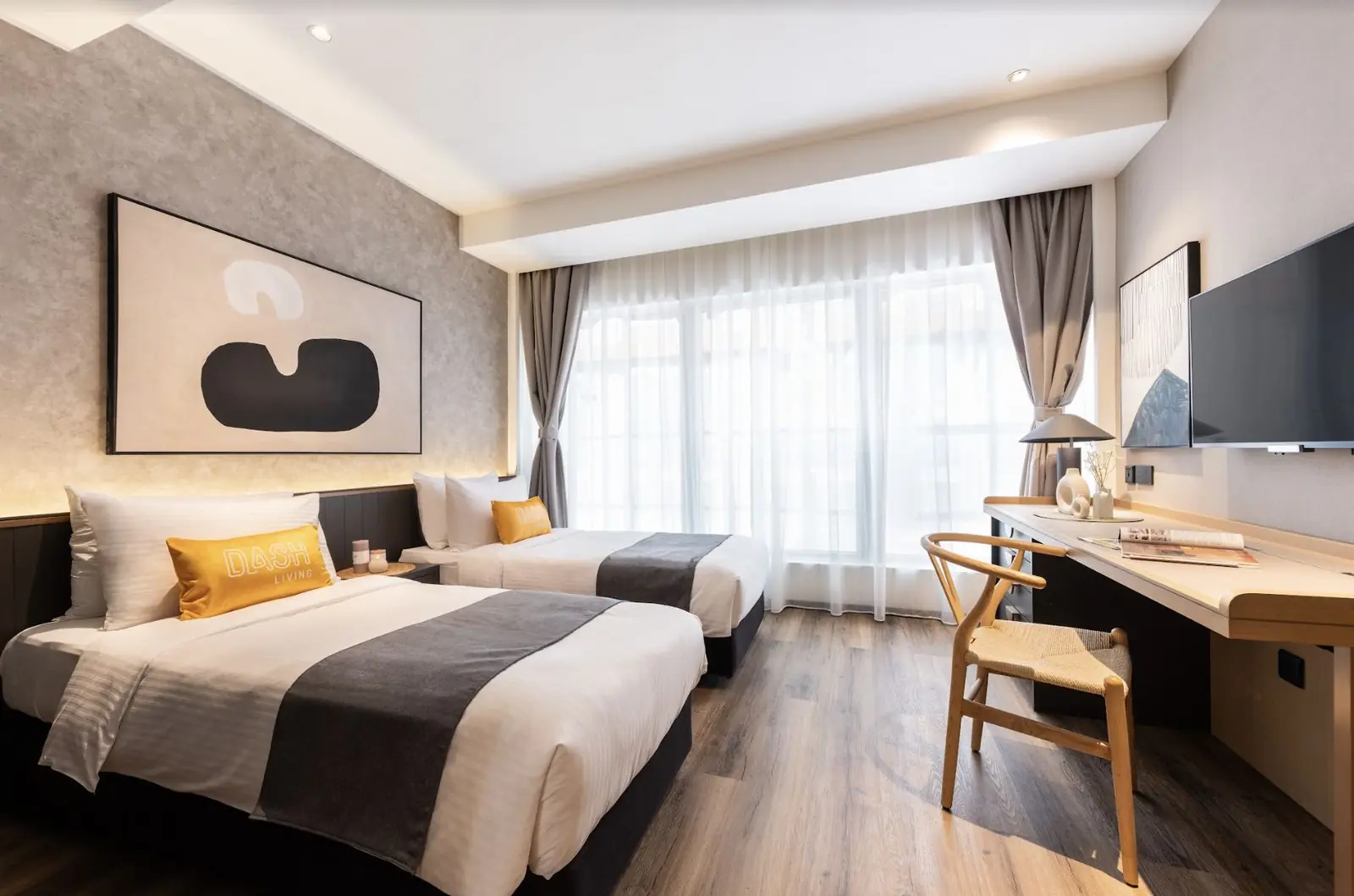
When travel strategists, family office controllers, and independent guests evaluate how to compare boutique stays amenities, the primary objective involves distinguishing true operational capabilities from surface-level marketing claims. A widespread misunderstanding assumes that any property listing high-end bath products, private plunge pools, or custom espresso machines automatically provides superior overall value. However, passive reliance on feature checklists without auditing operational hours, heating capacities, and maintenance responsiveness is insufficient. In reality, properties with small key counts require transparent service-level definitions and clear physical infrastructure audits.
Furthermore, analyzing professional amenity comparisons requires separating guest-facing aesthetics from back-of-house execution. A private villa listing an outdoor infinity pool provides minimal restorative value if the heating system cannot maintain water temperatures during cool evening hours. Conversely, an enterprise-grade amenity evaluation inspects mechanical heating performance, water filtration standards, dual-ISP internet redundancy, and soundproof wall construction. Additionally, it evaluates whether wellness and culinary offerings are fully included or subject to hidden line-item markups.
In addition, mastering these specialized comparison workflows requires understanding how municipal regulations, utility metering, and third-party vendor contracts interact. Comparing boutique amenity packages involves evaluating minimum stay thresholds, security deposit escrows, and advance provisioning allowances. When a travel coordinator fails to audit these operational variables in writing, unexpected billing add-ons and service friction follow. As a result, sudden equipment failures or unannounced resort fees quickly ruin an otherwise exceptional stay.
Deep Contextual Background
The evolution of boutique lodging amenities reflects a structural shift from standardized hotel features toward customized, residential-grade physical infrastructure. In the late twentieth century, luxury hospitality amenities were defined by standardized corporate offerings: uniform fitness centers, basic executive lounges, standardized room service menus, and branded toiletries. These features offered consistency across global travel corridors. However, they lacked regional character, spatial privacy, and architectural distinction.
Eventually, changing traveler preferences and remote enterprise management tools altered luxury lodging expectations. Travelers began seeking the privacy and architectural character of a private estate combined with five-star hotel services, private wellness facilities, and bespoke culinary programming. Developers and boutique operators responded by building purpose-built micro-resorts and converting historic estates into luxury compounds. Consequently, modern properties integrated high-speed fiber-optic backbones, private plunge pools, specialized spa pavilions, and smart-home environmental controls directly into guest suites.
In the contemporary landscape, evaluating amenities across independent micro-inventories has matured into a specialized procurement discipline. Modern boutique portfolios combine sustainable architectural engineering with local cultural integration, medical-grade air and water purification, and private hospitality teams managed by dedicated estate firms. By evaluating physical infrastructure alongside service-level agreements, professional travel leads secure exceptional lodging experiences while avoiding predatory fee structures.
Conceptual Frameworks and Mental Models
Navigating the evaluation of boutique property feature sets requires structured analytical models that balance physical resilience, spatial equity, and operational governance.
The Physical-to-Operational Capability Matrix
This framework evaluates a property amenity across three functional layers:
-
Physical Infrastructure Layer: Mechanical capacity, pool heating systems, water filtration standards, acoustic isolation ratings, and structural solar shading.
-
Service Accessibility Layer: Operational hours, staff-to-guest ratios, private chef availability, and dedicated butler staging corridors.
-
Financial Transparency Layer: Bundled inclusions versus unbundled line-item surcharges, advance provisioning markups, and metered utility limits.
The Net Amenity Value Index (NAVI) Model
This model structures the true financial baseline of a boutique amenity package by deducting unbundled operational expenses from headline room values:
-
Procurement Benchmark: An amenity comparison achieves optimal financial transparency when the NAVI score remains above 1.25, indicating strong net value from included physical features.
Key Categories or Variations
When analyzing boutique property features across different geographic regions, amenity packages fall into distinct operational and physical categories. Industry analysts classify these offerings into six primary models.
Private Wellness and Longevity Facilities
Custom health infrastructure embedded directly into guest suites or private compounds, including plunge pools, infrared saunas, steam showers, and hyperbaric chambers.
-
Trade-Offs: Delivers exceptional personal restoration and complete privacy. However, it requires complex mechanical maintenance, high utility consumption, and specialized cleaning protocols.
Professional Culinary Staging and Wine Infrastructure
Commercial-grade kitchens, walk-in refrigeration, temperature-controlled wine cellars, and dedicated private chef staging areas.
-
Trade-Offs: Enables world-class private dining and custom meal preparation. On the downside, it involves advance provisioning allowances, grocery markups, and kitchen cleaning fees.
Smart-Home Automation and Environmental Controls
Integrated IoT systems controlling acoustic soundscapes, automated thermal shades, medical-grade HEPA air filtration, and multi-zone climate settings.
-
Trade-Offs: Optimizes indoor comfort and energy efficiency. Nevertheless, it depends on complex software systems that can cause guest frustration if interfaces are poorly designed.
High-Bandwidth IT and Enterprise Communication Systems
Dedicated fiber-optic lines, dual-ISP automatic failover routers, enterprise WPA3 Wi-Fi coverage, and acoustic-shielded private meeting spaces.
-
Trade-Offs: Guarantees seamless remote productivity and secure communications. Conversely, it demands ongoing IT management and hardware upgrades in remote areas.
Private Mobility and Logistics Assets
On-site luxury vehicle fleets, private yacht dockage, helipads, and dedicated airport driver services included within stay packages.
-
Trade-Offs: Eliminates transit friction and ensures secure travel. On the other hand, it involves driver retainers, vehicle insurance overhead, and fuel surcharges.
Exclusive Spatial and Natural Features
Direct private access to beaches, riverfronts, wilderness trails, historic courtyards, or protected natural view corridors.
-
Trade-Offs: Grants unmatched natural immersion and visual privacy. However, it requires navigating public access easements, coastal commission codes, and weather exposure.
Boutique Amenity Category Comparison Matrix
Detailed Real-World Scenarios
Examining detailed real-world scenarios illustrates how rigorous amenity auditing prevents severe operational disruptions during boutique stays.
Auditing Heated Plunge Pools in an Alpine Villa
A travel manager evaluated two luxury alpine chalets in Aspen for a week-long winter retreat.
-
Constraints: Sub-zero exterior temperatures; requirement for daily outdoor heated hydrotherapy; strict energy management budgets.
-
Decision Points: When reviewing options to compare boutique stays amenities across mountain retreats, the manager requested mechanical heating specifications for both outdoor plunge pools.
-
Failure Modes Identified: Property A utilized a standard residential heat pump that failed to heat pool water above 85°F in freezing temperatures. Property B featured a commercial gas-fired boiler capable of maintaining 104°F year-round.
-
Second-Order Effects: Selecting Property B ensured continuous hydrotherapy access despite heavy snowfall, whereas Property A’s pool remained unusable.
-
Resolution: The guests enjoyed reliable outdoor wellness features, highlighting the necessity of auditing mechanical systems prior to booking.
Evaluating Internet Failovers for an Executive Offsite
A corporate operations team booked a remote coastal estate in Big Sur for a strategic board meeting.
-
Constraints: 10 executive attendees; continuous video conferencing requirements; zero tolerance for internet outages.
-
Decision Points: The operations lead verified that the property maintained dual-ISP connections (fiber primary with automatic Starlink satellite failover).
-
Failure Modes Identified: Coastal storm winds knocked out the primary landline fiber connection during the second day of meetings.
-
Second-Order Effects: The automated transfer switch shifted traffic to the satellite link within two seconds, allowing executive board presentations to continue without interruption.
-
Resolution: The offsite executed without productivity loss, proving the value of verifying redundant IT infrastructure.
Planning, Cost, and Resource Dynamics
Optimizing resource allocation when booking or acquiring boutique properties requires balancing base tariffs against unbundled amenity surcharges and utility overages.
Direct Versus Indirect Amenity Costs
-
Direct Costs: Base nightly tariffs, mandatory resort or facility access fees, daily housekeeping surcharges, and municipal lodging taxes.
-
Indirect Costs: Pool heating fees, advance provisioning markups, valet parking retainers, late check-out fees, and high-speed Wi-Fi surcharges.
Financial Planning Matrix for Amenity Procurement
Tools, Strategies, and Support Systems
Executing a thorough amenity evaluation relies on analytical digital tools, site inspection protocols, and accredited agency partnerships.
-
Remote Bandwidth and Network Audit Tools: Speed-test applications that verify internet download/upload speeds and ping latency before booking.
-
Mechanical System Audit Checklists: Inspection forms that record HVAC tonnage, water heater recovery rates, and pool boiler BTU outputs.
-
Advance Provisioning Software Portals: Digital accounting applications that track food, beverage, and amenity purchases against initial deposit funds.
-
GIS Land and Sightline Mapping Software: Satellite analysis tools that verify visual privacy screening and natural sun exposure across pool decks.
-
Standardized Lease Rider Generators: Legal templates that insert guaranteed pool temperatures, IT uptime clauses, and fee caps into rental contracts.
-
Encrypted Network Diagnostic Scanners: Hardware devices deployed during pre-arrival setup to detect unauthorized network devices or hidden camera signals.
Risk Landscape and Failure Modes
Failing to properly audit physical infrastructure, environmental controls, and amenity contracts introduces operational vulnerabilities.
Unheated or Underpowered Wellness Features
Reserving properties where plunge pools or saunas lack the mechanical capacity to reach operating temperatures in extreme cold or hot weather.
Uncapped Utility Overage Surcharges
Signing booking agreements that allow property managers to bill guests for unannounced electric, gas, or water overages at checkout.
Shared Amenities Disguised as Private Features
Selecting properties where marketing materials describe pools, courtyards, or dining spaces as private when they are actually shared with adjacent suites.
Governance, Maintenance, and Long-Term Adaptation
Sustaining high operational reliability across boutique lodging portfolios requires continuous maintenance audits, pre-arrival site checks, and post-stay reconciliations.
-
Pre-Arrival Inspection Protocol: Conduct a 48-hour physical checklist verifying pool temperatures, sauna heating elements, automated shades, and internet failovers.
-
Post-Stay Financial Audit: Inspect final checkout statements line-by-line within five business days to ensure unapproved utility or amenity surcharges are removed.
-
Layered Amenity Governance Checklist:
-
Verify that internet service levels include dual-ISP failovers for remote work.
-
Confirm that plunge pool and hot tub heating capacities are guaranteed in writing.
-
Inspect smart-home control panels to ensure manual overrides are accessible.
-
Audit advance provisioning accounts to verify grocery markups do not exceed 5%.
-
Measurement, Tracking, and Evaluation
Assessing the overall performance of a boutique amenity package involves monitoring quantitative technical metrics alongside qualitative guest satisfaction.
Key Performance Indicators
-
Amenity Mechanical Uptime: The percentage of stay duration executed with fully operational heating, HVAC, and pool systems (Target: 99.5%).
-
Unbundled Fee Variance Rate: The percentage difference between initial quoted stay costs and final audited checkout statements (Target: < 2% variance).
-
Network Reliability Index: The percentage of stay duration executed with continuous high-speed internet connectivity (Target: 99.9%).
Common Misconceptions and Oversimplifications
High Room Rates Guarantee High-End Amenities
Price reflects seasonal demand and visual decor rather than commercial pool heaters, soundproof walls, or dual-ISP internet infrastructure.
All Private Villas Include Dedicated Staff
Many villa packages list private chefs or buttlers as available amenities while requiring separate, expensive daily retainers to activate them.
Smart-Home Automation Is Always Better Than Manual Controls
Overly complex IoT systems without physical light switches or manual thermostat overrides often confuse guests and degrade daily comfort.
Listed Pool Amenities Are Always Fully Heated
Properties routinely list outdoor swimming pools as core amenities while charging steep daily surcharges to heat them to comfortable temperatures.
Ethical, Practical, or Contextual Considerations
Evaluating and using high-resource amenities across delicate coastal, alpine, or desert ecosystems requires balancing personal luxury with environmental responsibility. High-capacity pool heaters, continuous air conditioning, and extensive outdoor lighting place heavy demands on local utility grids. Property owners and guests should support sustainable amenity design—such as solar thermal pool heating, rainwater harvesting, greywater filtration, and energy-efficient heat pumps. Choosing eco-friendly properties ensures that luxury hospitality remains compatible with environmental conservation and community resource protection.
Conclusion
Mastering the process to compare boutique stays amenities requires a disciplined analytical approach. Travel planners and estate directors must evaluate physical mechanical capacity, verify IT network redundancies, audit unbundled fee structures, and enforce binding contract riders. Relying solely on promotional images or unvetted feature checklists exposes stays to unheated pools, hidden utility surcharges, and productivity-killing internet outages. Conversely, by deploying technical audit checklists, capping advance provisioning fees, and verifying operational service levels before booking, coordinators ensure complete control. Ultimately, thorough due diligence transforms independent boutique stays into seamless, highly cost-effective, and deeply restorative experiences.