
American Island Boutique Stays: Master Architectural & Operational Guide
Procuring high-end micro-inventory accommodations, private maritime estates, and specialized island compounds across coastal North America requires navigating a complex operational framework. Unlike standardized mainland resorts or urban commercial towers, island environments operate under strict maritime logistics, fragile ecological regulations, and independent municipal utility grids. Over recent years, high-end travel procurement for corporate leaders, family offices, and private wealth principals has experienced a major structural shift.
Analyzing specialized island lodging options requires connecting marine real estate economics with specialized property management operations. A barrier island retreat in South Carolina, a historic lighthouse compound in Maine, a coral-fringed sanctuary in the Florida Keys, or a Pacific Northwest island estate operates under distinct municipal zoning codes, coastal commission regulations, and supply chain constraints. Therefore, estate managers, corporate travel coordinators, and private wealth principals must audit marine transport schedules, desalination plant capacities, and storm-surge mitigation infrastructure before executing lease agreements.
Assessing specialized island arrangements requires evaluating net effective daily cost models, structural wind-rating standards, staff-to-guest ratios, and spatial privacy buffers. For luxury travel strategists, family office directors, and independent travelers, evaluating multi-inclusive island property arrangements represents an exercise in contract auditing, financial governance, and risk mitigation. Recognizing how property managers handle private boat charters, advance provisioning allowances, and emergency generator redundancy ensures transparent, high-value outcomes across independent micro-inventory properties.
Understanding american island boutique stays
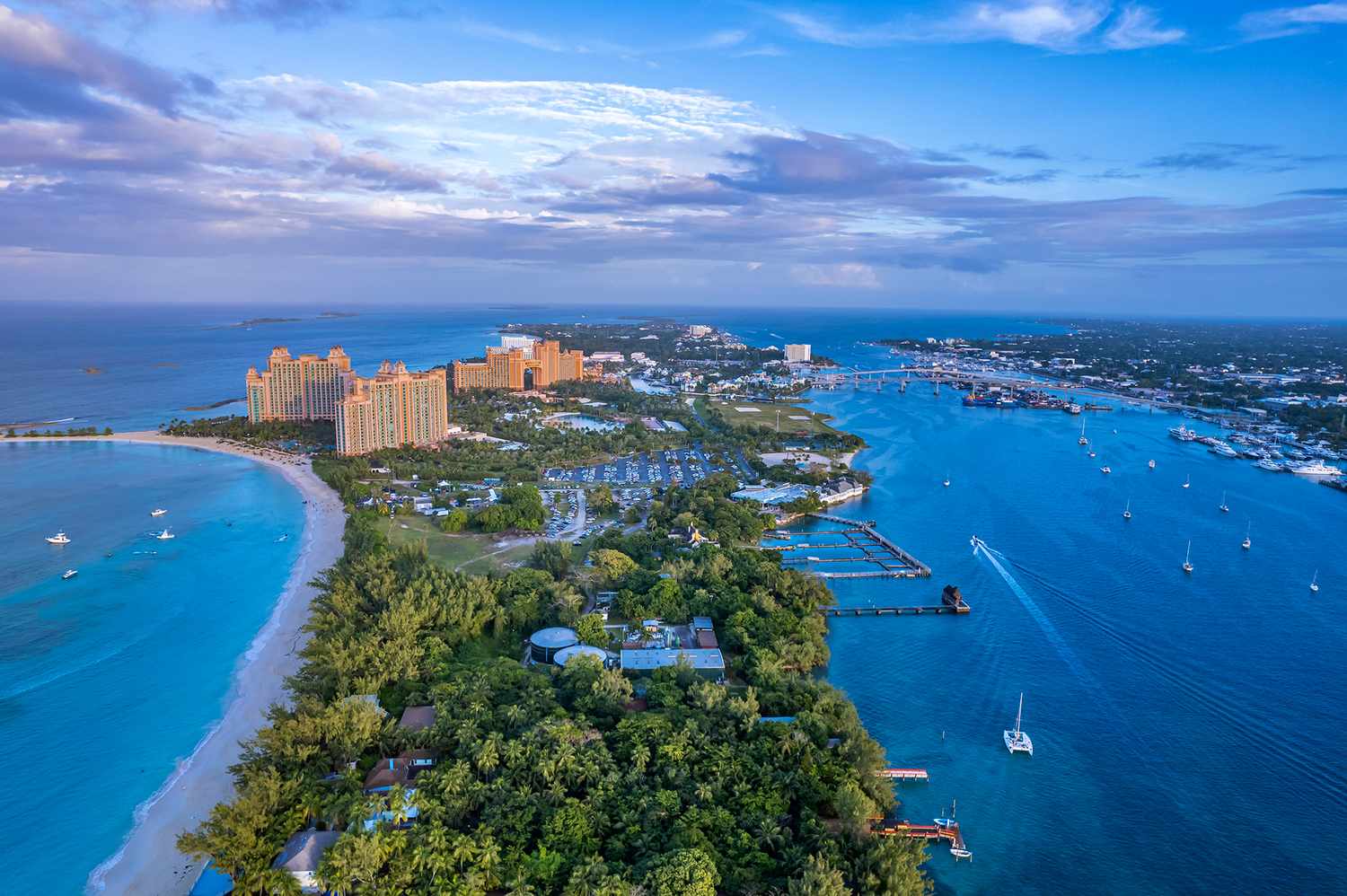
When travel directors, wealth advisors, and hospitality consultants evaluate american island boutique stays, the primary objective involves distinguishing genuinely integrated, hyper-curated maritime properties from standard ocean-view promotional marketing. A widespread misunderstanding assumes that any property situated on an island landmass provides a true secluded boutique hospitality experience. In reality, properties that lack private dockage permissions, dependable freshwater desalination, autonomous power generation, and soundproofed coastal construction frequently mask severe operational friction and vulnerability to maritime weather disruptions.
Furthermore, analyzing professional island property bundles requires separating public-facing marketing inclusions from back-of-house operational execution. A private island villa package advertising complete culinary staging provides minimal practical value if the chef retainer covers only basic continental breakfasts while charging steep hourly markups for barge-delivered ingredients. Conversely, an enterprise-grade island boutique stay incorporates pre-negotiated grocery allowances, dedicated marine vessel transport schedules, backup diesel generator safeguards, and clear utility consumption baselines.
In addition, assessing these specialized island arrangements requires understanding how coastal commission regulations, maritime liability laws, and security deposit escrows interact. Managing an island stay involves navigating strict seasonal ferry timetables, tide-dependent dock access, and waste management restrictions. When a procurement workflow fails to audit these operational and legal variables in writing, unexpected financial markups and service restrictions inevitably compromise the stay.
Deep Contextual Background
The evolution of island boutique lodging reflects a multi-decade transition from commercial fishing outposts and rustic summer camps toward highly customized, residential micro-property compounds. In the mid-twentieth century, coastal island travel across North America was dominated by rugged state-park cabins or rudimentary commercial fishing lodges. While these legacy structures provided authentic maritime environments, they lacked the architectural refinement, reliable utilities, and professional hospitality services characteristic of modern boutique retreats.
Eventually, coastal real estate expansion and shifting traveler preferences altered high-end procurement requirements. Developers and wealth principals began acquiring private barrier islands, historic lighthouse stations, and secluded coastal coves, converting them into sophisticated boutique enclaves. Consequently, these developments allowed travelers to experience absolute spatial isolation equipped with modern luxury amenities, private chef teams, and bespoke marine excursions.
In the contemporary landscape, evaluating market options across american island boutique stays has matured into a specialized financial and real estate discipline. Modern island portfolios combine sustainable coastal engineering with advanced environmental controls, hurricane-rated architecture, and accredited estate management teams. By integrating maritime privacy with professional hospitality oversight, professional travel directors secure seamless, high-value island retreats across domestic coastal waters.
Conceptual Frameworks and Mental Models
Navigating the evaluation and negotiation of elite island property packages requires structured analytical models that balance financial transparency, maritime logistics, and operational resilience.
The Island Inclusion and SLA Matrix
This framework evaluates an island property arrangement across three functional tiers:
-
Core Living Tier: Exclusive spatial access, hurricane-rated structural glazing, master suite acoustic isolation, and custom coastal millwork.
-
Service and Marine Logistics Tier: Dedicated private boat captains, secure mainland dockage parking, advance provisioning intake, and 24/7 estate management.
-
Infrastructure and Environmental Tier: Autonomous solar/generator power redundancy, desalinator water filtration systems, wastewater management, and storm-surge flood mitigation.
The Net Effective Daily Island Cost (NEDIC) Model
This model structures the true financial baseline of an island stay by aggregating all unbundled ancillary surcharges alongside the headline daily tariff.
-
Financial Efficiency Benchmark: An island property arrangement achieves optimal transparency when unbundled transport and utility fees do not exceed fifteen percent of the baseline lease price.
Key Categories or Variations
When analyzing island property arrangements across domestic maritime regions, accommodation models fall into distinct legal, financial, and operational categories. Industry analysts classify these flagship arrangements into six primary variations.
Private Barrier Island Estate Buyouts
Total spatial takeover of privately owned barrier islands (typically 3 to 15 keys), securing all beaches, pavilions, and maritime staff exclusively for one group.
-
Trade-Offs: Delivers absolute physical isolation and total control over the surrounding coastal environment. However, it requires complex boat transfer logistics and long booking lead times.
Restored Historic Lighthouse Compounds
Early 19th-century maritime lighthouse stations retrofitted into luxury boutique properties, retaining historic stone towers and keeper’s quarters while offering modern interiors.
-
Trade-Offs: Offers dramatic 360-degree ocean views, rich maritime heritage, and striking architectural character. On the downside, historic stone structures can present vertical stair layouts.
Coral-Fringed Tropical Key Compounds
Secluded island enclaves situated within southern sub-tropical archipelagos, featuring private docks, thatched cabanas, and direct reef access.
-
Trade-Offs: Grants warm-water swimming, world-class marine life access, and relaxed tropical living. Conversely, they require robust hurricane evacuation protocols.
Pacific Northwest Wilderness Island Retreats
Forested island compounds nestled within pristine coastal sounds, combining modern timber-and-glass architecture with rugged maritime wilderness.
-
Trade-Offs: Delivers striking mountain-and-sea vistas, foggy romantic ambiance, and deep tranquility. On the other hand, damp maritime climates require intensive material maintenance.
Historic New England Maritime Village Inns
Clusters of restored captain’s homes and saltbox cottages on historic northeastern islands, offering walkable village access combined with private coastal enclaves.
-
Trade-Offs: Combines cultural village charm with private coastal living. However, peak summer tourist ferry crowds can create seasonal logistical congestion.
Exclusive Eco-Luxury Atoll Sanctuaries
Off-grid island properties powered entirely by renewable energy systems, emphasizing zero-impact architecture, organic farming, and marine conservation.
-
Trade-Offs: Appeals to eco-conscious travelers seeking sustainable, low-carbon luxury. On the downside, strict resource caps can limit high-energy appliance usage.
Island Property Category Comparison Matrix
Detailed Real-World Scenarios
Examining detailed real-world scenarios illustrates how contract auditing, maritime logistics, and infrastructure planning directly impact island stays.
Auditing Marine Transport and Provisioning on a Maine Island
A corporate travel director secured a two-week executive buyout of a historic lighthouse compound on an island off the coast of Maine.
-
Constraints: 12 executives; daily private chef catering; strict 30-minute mainland boat transfer requirement.
-
Decision Points: When exploring options across american island boutique stays, the director insisted on inserting a Marine Transport and Provisioning SLA rider guaranteeing dedicated captain availability and covered barge freight pricing.
-
Failure Modes Identified: Unvetted island properties rely on public ferries or uncommitted local boatmen, leading to missed executive arrivals and severe catering delays when sea fog rolls in.
-
Second-Order Effects: The verified private vessel contract ensured seamless executive transport and timely grocery staging regardless of tidal shifts.
-
Resolution: The executive team completed their retreat without logistical interruption, proving the absolute necessity of auditing maritime transport agreements prior to financial deposit.
Managing Desalination and Power Redundancy in the Florida Keys
A family office controller negotiated a three-week private island compound lease in the Florida Keys for a multi-generational family gathering.
-
Constraints: High water consumption; continuous air conditioning load; potential tropical storm activity.
-
Decision Points: The controller audited the island’s engineering specs to verify that the property featured dual reverse-osmosis desalinator units and an automatic transfer switch connected to a 100kW diesel generator.
-
Failure Modes Identified: Single-source island properties dependent on municipal mainland water lines or fragile solar arrays frequently experience total utility collapse during summer peak loads or grid storms.
-
Second-Order Effects: The dual desalinator and generator redundancy maintained uninterrupted freshwater supply and climate control throughout the stay.
-
Resolution: The family enjoyed complete operational comfort, highlighting the value of verifying island utility infrastructure ahead of arrival.
Planning, Cost, and Resource Dynamics
Optimizing capital deployment across island boutique stays requires balancing baseline lease tariffs against unbundled barge transport fees, private boat charters, and emergency fuel retainers.
Direct Versus Indirect Island Expenditures
-
Direct Expenses: Baseline daily lease rates, mandatory marine departure cleaning fees, private boat captain retainers, and municipal occupancy taxes.
-
Indirect Expenses: Barge freight surcharges for heavy provisioning, emergency generator diesel fuel replacement, dockage fees, and maritime insurance riders.
Financial Planning Matrix for Island Property Procurement
Tools, Strategies, and Support Systems
Executing error-free island boutique property bookings relies on specialized digital verification tools, maritime software, and accredited agency partnerships.
-
Marine Weather and Tide Tracking Portals: Digital tools that monitor real-time wave heights, gale warnings, fog advisories, and tidal currents relative to island dock access.
-
Private Vessel and Barge Scheduling Systems: Web-based booking tools used to coordinate executive boat transfers, luggage staging, and heavy freight delivery.
-
Encrypted Smart-Access and Keyless Entry Apps: Mobile verification platforms that grant secure digital key-fob access to private island gates and residential compounds.
-
GIS Coastal Erosion and Storm-Surge Mapping: Analyzing satellite data and bathymetric charts to evaluate island elevation, flood risk, and hurricane vulnerability.
-
Accredited Maritime Hospitality Brokerages: Partnering with specialized coastal brokers who maintain direct relationships with island property owners and captains.
-
Autonomous Utility Diagnostic Monitors: Verifying remote generator fuel levels, desalinator water output, and battery storage banks via IoT telemetry dashboards.
Risk Landscape and Failure Modes
Failing to properly audit maritime logistics, island utility grids, and weather contingencies introduces severe financial, legal, and physical risks during island stays.
Weather-Induced Transport Lockouts
Relying on properties with unreliable boat access, leaving guests stranded on mainlands or island docks due to sudden high winds or dense fog.
Utility Failure and Infrastructure Collapse
Occupying island properties that lack backup power generators or water desalinators, resulting in immediate loss of electricity, running water, and climate control during grid outages.
Salt-Air Corrosion and Hardware Degradation
Residing in coastal properties where inadequate material maintenance causes electronic door locks, Wi-Fi routers, and kitchen appliances to fail prematurely.
Governance, Maintenance, and Long-Term Adaptation
Sustaining high operational reliability across island property portfolios requires continuous lease auditing, marine logistics coordination, and pre-arrival inspections.
-
Pre-Arrival Marine Check: Execute a verification check with the property captain 48 hours prior to arrival to confirm sea conditions, dock clearance, and fuel reserves.
-
Post-Stay Folio and Deposit Reconciliation: Conduct a line-by-line audit of marine transport hours, provisioning receipts, and security deposit release statements within seven days of departure.
-
Layered Island Governance Checklist:
-
Verify that private dock and barge landing permits are valid and active.
-
Confirm that private boat captain and transfer schedules are confirmed in writing.
-
Inspect generator fuel levels, automatic transfer switches, and desalinator output.
-
Review storm evacuation plans and emergency communication protocols with estate staff.
-
Measurement, Tracking, and Evaluation
Assessing the overall execution and value of an island boutique stay involves monitoring both quantitative financial metrics and qualitative guest feedback.
Key Performance Indicators
-
Logistical On-Time Ratio: The percentage of boat transfers, provisioning deliveries, and staff arrivals executed precisely on schedule (Target: 100%).
-
Utility Uptime Ratio: The continuous percentage of electrical power and freshwater availability maintained during stay duration (Target: 100% via redundancy).
-
Maritime Comfort Index: Qualitative survey rating evaluating indoor climate stability, acoustic insulation against surf/wind, and overall spatial tranquility.
Common Misconceptions and Oversimplifications
All Island Properties Feature Reliable On-Site Utilities
Many historic or rustic island properties depend on fragile single-line underwater utility cables or rainwater catchment systems that fail easily.
Boat Transfers Can Be Arranged Casually Upon Arrival
Island locations require strict advance scheduling for tides, captain shifts, and fuel loads; impromptu boat pickups are frequently impossible.
Standard Travel Insurance Covers Maritime Weather Delays
Standard travel policies often exclude missed island boat connections caused by normal marine fog or choppy coastal waters unless specific riders are added.
Private Islands Guarantee Complete Exclusivity from Marine Traffic
While private landmasses offer isolation, surrounding waters remain public domain, meaning commercial fishing boats or recreational watercraft may pass nearby.
Ethical, Practical, or Contextual Considerations
Managing island properties across fragile coastal and marine ecosystems carries profound environmental, civic, and economic responsibilities. The operation of private island compounds impacts local fisheries, coral reefs, nesting shorebirds, and municipal marine waste facilities. Sustainable island travel practices—such as respecting local fishing regulations, powering estates via renewable micro-grids, minimizing single-use plastics, and supporting regional marine conservation funds—ensure that high-end maritime tourism operates responsibly. Demonstrating thoughtful environmental stewardship protects delicate island habitats while preserving access to premier coastal architecture.
Conclusion
Mastering the evaluation and execution of american island boutique stays requires a disciplined analytical approach that connects marine engineering, maritime logistics, utility redundancy, and financial modeling. Relying solely on promotional digital marketing, unvetted listing portals, or verbal assurances exposes travel planners to severe transport lockouts, utility failures, and logistical friction. Conversely, by auditing private dock permits, securing written vessel transfer SLAs, verifying dual utility redundancy, and evaluating storm resilience, travelers achieve complete operational control.