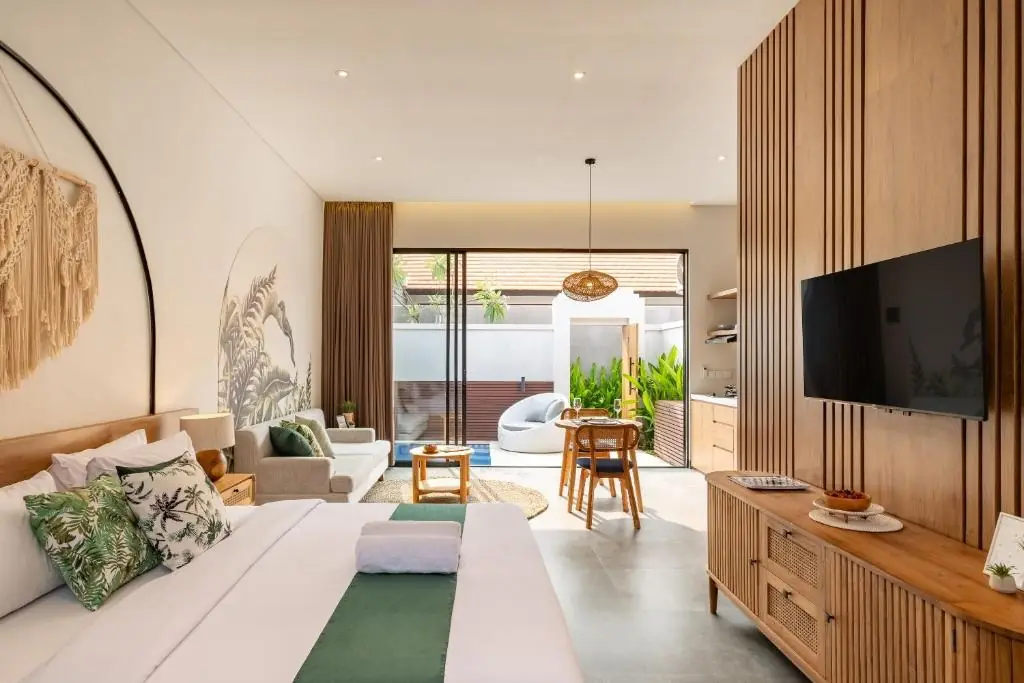
Best Boutique Stays for Corporate Hosting: Master Guide
Securing high-end micro-inventory accommodations, private historic estates, and specialized residential compounds for enterprise leadership summits, board retreats, and executive workshops requires navigating a complex operational framework. Unlike standardized commercial convention hotels—which provide uniform meeting rooms, large banquet halls, and centralized audio-visual support—independent boutique properties operate within unique historic, urban, or wilderness contexts.
Procuring specialized corporate environments demands an analytical approach that connects executive productivity requirements with venue-level building physics and hospitality operations. A secluded wilderness compound in Montana, a restored historic banking hall in Chicago, a design-forward estate in the Napa Valley, or a coastal micro-resort in Maine operates under distinct municipal ordinances, IT bandwidth limitations, and soundproofing thresholds.
Assessing specialized corporate hosting arrangements requires evaluating net effective daily cost models, redundant internet connectivity SLAs, executive seating ergonomics, and spatial privacy boundaries. For enterprise procurement teams and executive search directors, evaluating multi-key property arrangements represents an exercise in risk mitigation, contract governance, and capital allocation. Recognizing how property managers handle private dining staging, confidential breakout spaces, and secure network routing ensures seamless, highly productive outcomes across independent micro-inventory properties.
Understanding best boutique stays for corporate hosting
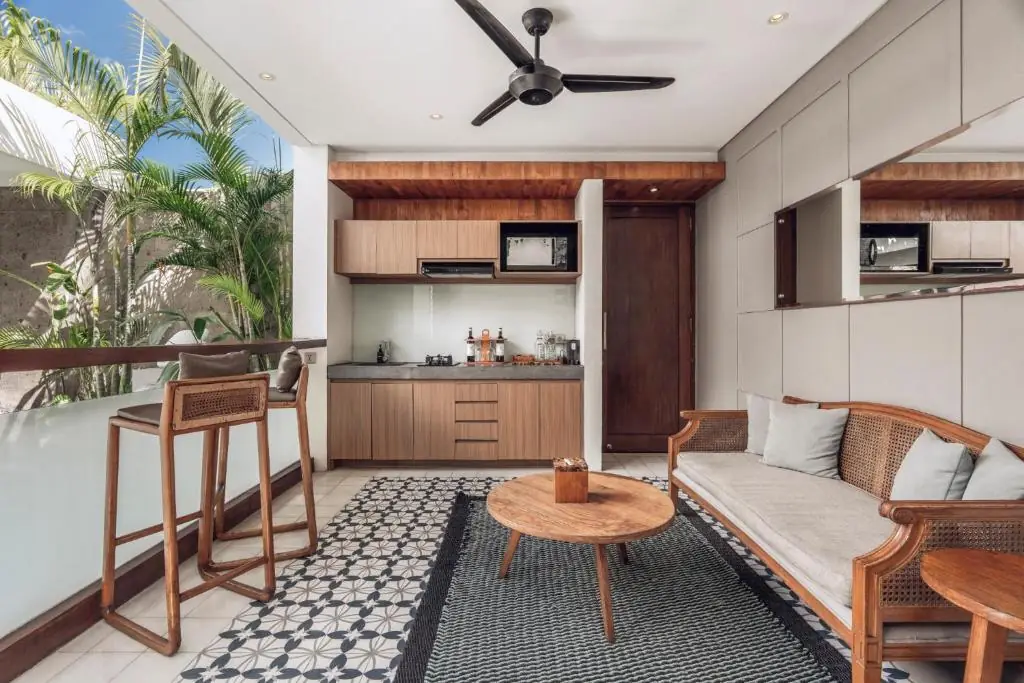
When enterprise travel managers, chief operating officers, and corporate legal counsel evaluate the best boutique stays for corporate hosting, the primary objective involves separating genuine executive-grade operational readiness from aesthetic lifestyle marketing. A widespread misunderstanding assumes that any design-forward boutique hotel featuring a communal lobby table or a small multi-purpose dining room provides an adequate environment for high-stakes corporate summits and confidential board meetings.
Furthermore, analyzing professional corporate venue selection requires separating public-facing guest amenities from back-of-house business execution. A boutique estate advertising executive buyouts provides minimal practical utility if the property shares bandwidth across dozens of public streaming devices, lacks dual-WAN internet failover, or permits noisy public foot traffic directly outside confidential meeting areas.
In addition, assessing these specialized properties requires understanding how master service agreements, corporate liability insurance certificates, and confidential data privacy regulations interact. Managing a multi-day executive retreat involves navigating strict corporate compliance rules, indemnification clauses, and cancellation penalties.
Deep Contextual Background
The evolution of corporate hosting within independent boutique properties reflects a multi-decade transition from rigid convention hotel meetings toward highly customized, decentralized executive retreats. In the late twentieth century, corporate gatherings were dominated by large downtown convention hotels and standardized business resorts. These legacy hotels offered predictable infrastructure, such as dedicated ballrooms and standardized audio-visual departments. However, they lacked the architectural privacy, inspiring natural or historic backdrops, and cultural immersion that modern leadership teams demand.
Eventually, shifts in corporate culture, the rise of distributed executive teams, and the expansion of high-speed digital communications altered corporate procurement requirements. Organizations began seeking the absolute privacy of independent estates paired with five-star hospitality services, private chef teams, and tailored team-building infrastructure. Developers and boutique operators responded by retrofitting historic estates, wilderness lodges, and urban townhomes into high-performance corporate retreat compounds.
In the contemporary landscape, evaluating market options across the best boutique stays for corporate hosting has matured into a specialized corporate real estate and IT governance discipline. Modern boutique portfolios combine sustainable architectural design with enterprise-grade communications infrastructure, advanced environmental controls, and accredited property management teams. By integrating executive privacy with transparent legal and operational standards, corporate travel directors secure seamless, high-value retreats across global business markets.
Conceptual Frameworks and Mental Models
Navigating the evaluation and negotiation of elite corporate hosting properties requires structured analytical models that balance financial transparency, spatial isolation, and technical resilience.
The Corporate Infrastructure and SLA Matrix
This framework evaluates a property’s corporate readiness across three functional tiers:
-
Digital and Network Tier: Symmetric fiber-optic connections, dual-ISP automatic failover, dedicated VLANs for executive traffic, and enterprise-grade Wi-Fi 6/7 access points.
-
Acoustic and Ergonomic Tier: Sound Transmission Class (STC) ratings above 55 for meeting room partitions, ergonomic task seating, adjustable height presentation desks, and integrated video-conferencing audio.
-
Governance and Security Tier: Biometric or encrypted room access control, secure document shredding availability, indemnification riders, and private executive dining separation.
The Net Effective Corporate Stay Cost (NECSC) Model
This model structures the true financial baseline of a corporate retreat by aggregating all baseline rates, meeting space fees, catering retainers, and IT surcharges:
-
Financial Efficiency Benchmark: A corporate property arrangement achieves optimal financial value when unbundled administrative and technical fees do not exceed fifteen percent of the master buyout tariff.
Key Categories or Variations
When analyzing boutique properties engineered for executive retreats and board meetings, accommodation models fall into distinct operational categories. Industry analysts classify these properties into six primary variations.
Complete Wilderness and Mountain Estate Buyouts
Secluded alpine lodges or wilderness compounds (typically 10 to 30 keys) offering total spatial isolation, dedicated conference pavilions, and outdoor team-building terrain.
-
Trade-Offs: Delivers complete privacy, zero urban distractions, and inspiring natural backdrops. However, it requires managed airport transfer logistics and weather contingency planning.
Urban Historic Adaptive Reuse Boardrooms
Converted 19th-century brick warehouses or historic banking halls located within major financial districts, equipped with high-tech boardrooms and executive suites.
-
Trade-Offs: Offers central urban access, proximity to financial headquarters, and high architectural prestige. On the downside, urban locations can introduce street noise and traffic congestion.
Coastal Estate and Maritime Retreat Compounds
Private coastal properties featuring sprawling lawns, oceanfront meeting terraces, private dockage, and dedicated dining pavilions.
-
Trade-Offs: Grants scenic coastal views and relaxed outdoor brainstorming environments. Risk: Salt-air exposure can occasionally impact outdoor AV equipment if not properly weather-hardened.
Vineyard and Agricultural Estate Enclaves
Working wine estates or agricultural manors featuring private tasting cellars, culinary kitchens, and modular meeting spaces integrated into working landscapes.
-
Trade-Offs: Combines executive meetings with world-class culinary and wine-tasting integration. On the negative side, seasonal agricultural operations can introduce daytime ambient noise.
Modernist Architectural Infill Compounds
Newly constructed, design-forward boutique properties built specifically for corporate innovation sprints, featuring open-plan collaborative spaces and smart-building automation.
-
Trade-Offs: Delivers pristine mechanical systems, advanced acoustic insulation, and modern presentation technology. Nevertheless, they may lack historic character.
Desert Oasis and Wellness Sanctuaries
Secluded desert properties featuring private casitas, shaded courtyards, wellness facilities, and expansive meeting pavilions designed for strategic visioning sessions.
-
Trade-Offs: Provides deep focus, mild winter climates, and serene isolation. Conversely, extreme summer temperatures restrict outdoor meeting utilization.
Corporate Property Category Comparison Matrix
Detailed Real-World Scenarios
Examining detailed real-world scenarios illustrates how technical auditing, acoustic isolation, and contract negotiation prevent severe operational failures during corporate retreats.
Executing a Confidential Board Summit in Jackson Hole
A Fortune 500 chief legal officer organized a three-day strategic board retreat for 14 directors at an exclusive alpine wilderness estate in Jackson Hole.
-
Constraints: Absolute confidentiality requirement; live encrypted video-conferencing connection to global headquarters; secure breakout spaces.
-
Decision Points: When reviewing options for the best boutique stays for corporate hosting across mountain regions, the general counsel required the property owner to sign a customized Data Security and Network Isolation Rider guaranteeing dedicated fiber routing.
-
Failure Modes Identified: Standard resort networks share public guest Wi-Fi with meeting spaces, exposing sensitive financial documents to potential packet sniffing and network intrusion.
-
Second-Order Effects: The estate provisioned an isolated, hardware-encrypted VLAN and supplied a professional IT staging technician on-site throughout the summit.
-
Resolution: The board meeting executed with flawless digital security and zero connectivity interruptions, proving the necessity of enterprise-grade IT audits.
Managing Acoustic Isolation in a Historic Savannah Townhome
A technology startup CEO arranged a five-day executive product sprint for 18 senior engineers at a restored historic townhome compound in Savannah.
-
Constraints: Simultaneous breakout sessions; continuous whiteboard and digital collaboration; strict sound privacy requirements between teams.
-
Decision Points: The operations director audited the room partition STC ratings to verify that historic parlor walls blocked sound transmission between simultaneous engineering huddles.
-
Failure Modes Identified: Unmodified historic plaster walls and hollow wooden doors allow acoustic bleed between rooms, disrupting concurrent breakout discussions.
-
Second-Order Effects: The property management installed acoustic drop seals on interior doors and provided portable acoustic baffles, preventing sound leakage between meeting areas.
-
Resolution: The engineering teams conducted parallel product planning sessions without mutual acoustic interference, demonstrating the value of pre-occupancy acoustic verification.
Planning, Cost, and Resource Dynamics
Optimizing capital deployment across corporate retreat properties requires separating core master lease tariffs from unbundled IT service fees, catering minimums, and transit overhead.
Direct Versus Indirect Corporate Hosting Expenditures
-
Direct Expenses: Master buyout fees, dedicated meeting space rentals, catered food and beverage minimums, and executive room accommodations.
-
Indirect Expenses: On-site IT engineering support, private airport transfer shuttles, specialized presentation equipment rentals, and security detail retainers.
Financial Planning Matrix for Corporate Retreat Procurement
Tools, Strategies, and Support Systems
Executing error-free corporate retreats within independent properties relies on specialized technical diagnostic tools, legal contract addendums, and accredited venue networks.
-
Enterprise Network Speed and Latency Testers: Specialized digital diagnostic tools used to verify symmetric upload/download speeds, packet loss, and ping jitter remotely.
-
Standardized Master Service Agreement (MSA) Riders: Legal templates used to insert data privacy guarantees, IT uptime SLAs, and liability indemnification clauses into venue contracts.
-
Acoustic and Decibel Field Meters: Calibrated sound level meters used to measure background ambient noise and partition sound transmission in prospective boardrooms.
-
GIS Topographical and Transit Routing Tools: Analyzing local road networks and airport transit times to evaluate logistical accessibility for arriving executives.
-
Accredited Corporate Event Logistics Portals: Digital platforms that manage executive flight manifests, dietary preference intake, and rooming lists.
-
Encrypted Smart-Building Access Systems: Mobile verification tools that issue temporary digital key-fob credentials for secure meeting rooms and executive suites.
Risk Landscape and Failure Modes
Failing to properly vet digital infrastructure, acoustic isolation, and contract terms introduces severe operational and legal risks during corporate hosting events.
Single-Point Network Outages and Video Conference Failure
Relying on a property with a single consumer-grade internet router that crashes under the bandwidth load of multiple executives streaming high-definition video calls simultaneously.
Acoustic Bleed and Confidentiality Breaches
Holding sensitive board discussions in rooms with poor sound insulation or hollow doors, compromising the confidentiality of proprietary corporate strategies.
Unpermitted Commercial Events and Municipal Shutdowns
Reserving residential boutique properties that lack commercial event permits, exposing the corporate gathering to sudden municipal fines or police shutdown orders.
Governance, Maintenance, and Long-Term Adaptation
Sustaining high operational reliability across corporate retreat portfolios requires continuous vendor auditing, pre-arrival technical tests, and disciplined review cycles.
-
72-Hour Pre-Arrival IT Walkthrough: Execute a live bandwidth stress test and video-conferencing simulation with the venue’s technical staff 72 hours before executive arrival.
-
Post-Event Financial and Service Audit: Conduct a line-by-line reconciliation of master invoices within five business days to verify that service fees match contracted MSA terms.
-
Layered Corporate Hosting Governance Checklist:
-
Confirm that symmetric fiber internet and automatic backup failover systems are operational.
-
Verify that meeting room partitions meet minimum acoustic isolation (STC 55+) standards.
-
Inspect executive seating and presentation display hardware for ergonomic and technical readiness.
-
Review corporate liability insurance certificates and indemnification riders with legal counsel.
-
Measurement, Tracking, and Evaluation
Assessing the overall execution and return on investment of a corporate retreat involves monitoring both quantitative operational metrics and qualitative executive feedback.
Key Performance Indicators
-
Network Uptime Ratio: The percentage of retreat hours executed without internet drops or video-conferencing latency spikes (Target: 100%).
-
Budget Variance Rate: The percentage difference between pre-event financial projections and final reconciled master invoices (Target: < 3% variance).
-
Executive Productivity Index: Qualitative post-event survey tracking executive satisfaction regarding meeting space acoustics, ergonomics, and IT reliability (Target: > 95% positive).
Common Misconceptions and Oversimplifications
Fast Consumer Wi-Fi Guarantees Enterprise Video-Conferencing Stability
High download speeds advertised for leisure guests are useless for corporate hosting if upload bandwidth is throttled and jitter rates cause video calls to freeze.
All Boutique Hotels Welcome Corporate Board Meetings
Many independent properties restrict corporate events due to residential zoning limits, neighborhood noise curfews, or lack of commercial meeting facilities.
Standard Venue Contracts Protect Corporate Data Privacy
Standard hospitality contracts contain zero provisions regarding data encryption or network security; corporate legal counsel must insert bespoke IT security riders.
Residential Dining Rooms Can Easily Handle Executive Catering
Residential kitchens lack the commercial refrigeration, burner capacity, and dishwashing throughput required to execute formal multi-course plated dinners for large executive teams.
Ethical, Practical, or Contextual Considerations
Hosting corporate gatherings across delicate natural ecosystems, historic districts, or residential neighborhoods carries significant civic and environmental responsibilities. Corporate travel planners, executive leadership teams, and property operators must balance strategic business objectives with local community integration and environmental stewardship.Sustainable corporate hosting practices—such as respecting municipal noise curfews, offsetting travel carbon footprints, sourcing culinary ingredients from local agricultural co-ops, and compensating property service staff fairly—ensure that corporate tourism benefits host destinations responsibly. Demonstrating thoughtful civic responsibility protects community goodwill while preserving access to premier independent architecture.
Conclusion
Mastering the selection and execution of the best boutique stays for corporate hosting requires a rigorous analytical approach that bridges enterprise IT auditing, acoustic engineering, contract governance, and financial modeling. Relying solely on promotional digital marketing, unvetted listing portals, or verbal assurances exposes corporate retreats to catastrophic network failures, confidentiality breaches, and administrative shutdowns.