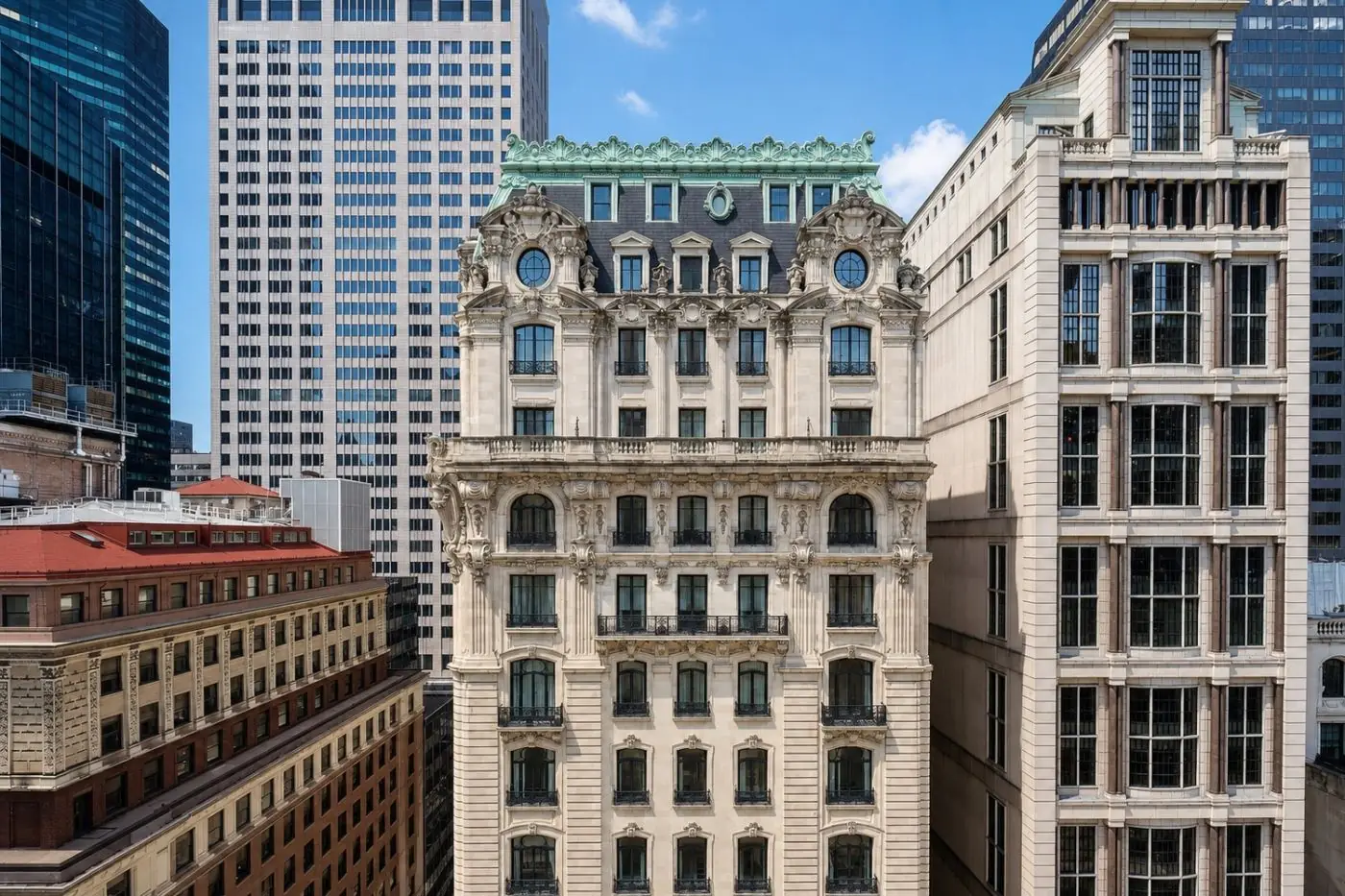
Luxury High Rise Stays USA: Master Architectural & Operational Guide
Procuring high-end vertical micro-inventory accommodations, penthouses, and managed skyscraper residences across North America requires navigating a complex operational framework. Unlike traditional low-rise boutique hotels or coastal compounds, vertical urban real estate operates under strict condominium bylaws, high-speed elevator staging dynamics, and complex municipal fire-safety codes. Over recent years, high-end travel procurement for corporate leaders, family offices, and private wealth principals has experienced a major structural shift. Discerning travelers are increasingly bypassing standard commercial hotel towers in favor of serviced residential high-rises that combine private vertical living with five-star hospitality services.
Analyzing specialized vertical lodging options requires connecting urban real estate economics with specialized property management operations. A skyscraper penthouse in Manhattan, a glass-walled tower suite in Chicago, a high-altitude residence in Seattle, or a waterfront high-rise in Miami operates under distinct zoning regulations, homeowners association (HOA) short-term rental restrictions, and structural engineering constraints. Therefore, estate managers, corporate travel coordinators, and private wealth principals must audit elevator access control, acoustic insulation between vertical floors, and building association rules before executing lease agreements. When a property procurement workflow fails to address these operational realities, unexpected fine structures, elevator wait times, and noise bleed compromise expected outcomes.
Assessing specialized vertical arrangements requires evaluating net effective daily cost models, structural wind-sway dampening, staff-to-resident ratios, and spatial privacy buffers. For luxury travel strategists, family office directors, and independent travelers, evaluating multi-inclusive vertical property arrangements represents an exercise in contract auditing, financial governance, and risk mitigation. Recognizing how property managers handle concierge retainers, valet staging, and building association compliance ensures transparent, high-value outcomes across independent micro-inventory vertical properties.
Understanding luxury high rise stays usa

When travel directors, wealth advisors, and hospitality consultants evaluate luxury high rise stays usa, the primary objective involves distinguishing genuinely integrated, hyper-curated residential tower accommodations from standard short-term rental apartments. A widespread misunderstanding assumes that any apartment situated above the twentieth floor of a skyscraper provides a true luxury hospitality experience. In reality, properties that lack dedicated service elevator access, 24/7 lobby security staffing, professional property management oversight, and soundproofed floor assemblies frequently mask severe operational friction and strict municipal regulatory violations.
Furthermore, analyzing professional vertical property bundles requires separating public-facing marketing inclusions from back-of-house operational execution. A high-rise penthouse listing advertising panoramic skyline views provides minimal practical value if the building association prohibits short-term leases, resulting in sudden cancellation by municipal code enforcement officers. Conversely, an enterprise-grade vertical stay incorporates licensed short-term operation permits, dedicated freight elevator scheduling, pre-negotiated valet allowances, and clear acoustic mitigation standards.
In addition, assessing these specialized vertical arrangements requires understanding how homeowners association bylaws, municipal transient occupancy taxes, and security deposit escrows interact. Managing a high-rise stay involves navigating strict move-in and move-out fee schedules, amenity access rules, and elevator booking windows. When a procurement workflow fails to audit these operational and legal variables in writing, unexpected financial markups and service restrictions inevitably compromise the stay.
Deep Contextual Background
The evolution of vertical luxury lodging reflects a multi-decade transition from commercial hotel towers toward mixed-use skyscraper developments and branded residential residences. In the mid-twentieth century, urban luxury travel was dominated by grand downtown hotels featuring uniform room layouts and centralized hospitality services. While these legacy hotels provided reliable service consistency, they lacked the expansive floor plans, residential privacy, and panoramic spatial design characteristic of modern vertical architecture.
Eventually, rapid urban real estate expansion and shifting wealth patterns altered high-end procurement requirements. Developers began constructing ultra-tall mixed-use towers combining luxury condominiums, penthouses, and branded hotel operations under a single roof. Consequently, these developments allowed travelers to lease privately owned residential units equipped with commercial-grade kitchens, private elevator foyers, and integrated hotel services.
In the contemporary landscape, evaluating market options across luxury high rise stays usa has matured into a specialized financial and real estate discipline. Modern vertical portfolios combine sustainable skyscraper engineering with advanced acoustic isolation, smart-building automation, and accredited residential management teams. By integrating residential privacy with professional hospitality oversight, professional travel directors secure seamless, high-value urban retreats across major metropolitan markets.
Conceptual Frameworks and Mental Models
Navigating the evaluation and negotiation of elite vertical property packages requires structured analytical models that balance financial transparency, spatial isolation, and operational efficiency.
The Vertical Inclusion and SLA Matrix
This framework evaluates a high-rise property arrangement across three functional tiers:
-
Core Living Tier: Exclusive spatial access, private elevator landing rights, master suite acoustic isolation, and custom floor-to-ceiling glass engineering.
-
Service and Security Tier: 24/7 dedicated concierge retainers, secure subterranean valet parking, private package intake, and biometric elevator access control.
-
Logistical and Building Governance Tier: HOA short-term lease compliance, freight elevator booking rights, amenity deck access permissions, and municipal tax remittance.
The Net Effective Daily High-Rise Cost (NEDHRC) Model
This model structures the true financial baseline of a vertical stay by aggregating all unbundled ancillary surcharges alongside the headline daily tariff. Net effective daily cost is calculated by taking the sum of the baseline daily rate, unbundled valet fees, HOA move-in surcharges, municipal taxes, and amenity access fees, and dividing that total by the overall nights of occupancy.
-
Financial Efficiency Benchmark: A high-rise property arrangement achieves optimal transparency when unbundled building fees and municipal taxes do not exceed twenty percent of the baseline lease price.
Key Categories or Variations
When analyzing vertical property arrangements across metropolitan markets, accommodation models fall into distinct legal, financial, and operational categories. Industry analysts classify these flagship arrangements into six primary variations.
Branded Skyscraper Residence Buyout Packages
Total spatial takeover of managed residential units within globally recognized branded towers (e.g., Four Seasons, Ritz-Carlton residences), securing full hotel-grade housekeeping and room service.
-
Trade-Offs: Delivers institutional hospitality consistency combined with residential square footage. However, it requires maximum premium tariff outlays and rigid booking terms.
Private Penthouse and Sub-Penthouse Leases
Exclusive top-floor vertical leases featuring private elevator foyers, multi-sided glass curtain walls, expansive outdoor terraces, and custom architectural finishes.
-
Trade-Offs: Offers supreme privacy, uncompromised skyline views, and high-end entertaining space. On the downside, it involves strict elevator capacity limits and high security deposits.
Mixed-Use Condo-Hotel Managed Suites
Privately owned condominium units integrated into a managed hotel rental pool, granting access to hotel amenities while maintaining residential kitchen facilities.
-
Trade-Offs: Provides flexible stay durations and reliable daily service support. Nevertheless, common-area amenity access may be shared with hotel transient guests.
Urban Corporate Executive Tower Apartments
Mid-to-high-floor residential units outfitted specifically for remote executives and corporate boards, featuring enterprise-grade IT networks and dedicated workspaces.
-
Trade-Offs: Secures predictable corporate budget allocation and high-speed communications resilience. However, it requires adherence to strict building association bylaws.
Historic Vertical Architectural Restorations
Early twentieth-century high-rise towers (e.g., beaux-arts skyscrapers) retrofitted with modern luxury interiors, preserving historic masonry while offering contemporary amenities.
-
Trade-Offs: Delivers unique historic character and central downtown positioning. On the other hand, historic structural layouts can limit floor-to-ceiling window scale.
Waterfront Skyline Tower Residences
High-rise units positioned along coastal or riverfront metropolitan skylines (e.g., Miami, Chicago, Seattle), combining vertical elevation with marine panoramic views.
-
Trade-Offs: Grants striking water and city skyline vistas. Conversely, coastal high-rises require robust hurricane-rated glass and specialized maintenance oversight.
Vertical Property Category Comparison Matrix
Detailed Real-World Scenarios
Examining detailed real-world scenarios illustrates how contract auditing, HOA governance, and logistical planning directly impact high-rise stays.
Auditing HOA Short-Term Rental Rules in Chicago
A corporate travel director secured a three-month high-rise executive lease in downtown Chicago for a visiting leadership team.
-
Constraints: 90-day stay requirement; high-speed fiber internet; secure indoor parking.
-
Decision Points: When arranging luxury high rise stays usa across strict urban markets, the director insisted on securing written confirmation from the building management office verifying that 90-day leases were fully compliant with HOA bylaws.
-
Failure Modes Identified: Many metropolitan high-rises enforce strict 30-day minimum lease restrictions under HOA declarations, meaning unvetted 90-day leases arranged via third parties can result in municipal fines or lockout.
-
Second-Order Effects: The written HOA clearance document prevented a potential lease revocation and ensured the executive team enjoyed unhindered building access.
-
Resolution: The executive team completed their stay without administrative friction, proving the absolute necessity of auditing building bylaws prior to financial deposit.
Managing Elevator Staging and Valet Logistics in Miami
A family office controller negotiated a two-week penthouse lease in a waterfront Miami skyscraper for a multi-generational family holiday.
-
Constraints: Large luggage volume; daily private vehicle transport; strict security intake rules.
-
Decision Points: The controller coordinated with the building’s head of security in advance to reserve freight elevator time slots for luggage arrivals and secure permanent valet parking decals.
-
Failure Modes Identified: High-rise towers strictly regulate passenger elevator capacity during peak morning and evening hours, which can strand guests and luggage in lobbies if freight windows are unreserved.
-
Second-Order Effects: Pre-booking freight elevator windows allowed seamless luggage transit directly to the penthouse foyer without guest delay.
-
Resolution: The family enjoyed immediate, frictionless entry into the tower, highlighting the value of coordinating back-of-house logistics ahead of arrival.
Planning, Cost, and Resource Dynamics
Optimizing capital deployment across high-rise stays requires balancing baseline lease tariffs against unbundled HOA fees, valet parking retainers, and security deposits.
Direct Versus Indirect High-Rise Expenditures
-
Direct Expenses: Baseline monthly lease rates, mandatory HOA departure cleaning fees, subterranean valet parking retainers, and municipal occupancy taxes.
-
Indirect Expenses: Elevator reservation deposits, key-fob replacement fees, fitness center guest passes, and administrative building registration charges.
Financial Planning Matrix for Vertical Property Procurement
Tools, Strategies, and Support Systems
Executing error-free high-rise property bookings relies on specialized digital verification tools, building management software, and accredited agency partnerships.
-
HOA Bylaw and Restriction Databases: Digital legal platforms that cross-reference municipal short-term rental laws against specific building condominium declarations.
-
Elevator and Loading Dock Scheduling Portals: Web-based booking tools used to coordinate move-in windows, freight elevator times, and luggage staging.
-
Encrypted Smart-Access and Keyless Entry Apps: Mobile verification platforms that grant secure digital key-fob access to private elevators and residential foyers.
-
GIS Skyline View and Solar Radiation Mapping: Analyzing satellite data and tower orientation to verify direct sunlight exposure, privacy angles, and view corridors.
-
Accredited Urban Residential Brokerages: Partnering with specialized metropolitan brokers who maintain direct relationships with high-rise property managers.
-
Acoustic and Wind-Sway Diagnostic Audits: Verifying that upper-floor residences feature dual-pane acoustic glass and structural dampening to eliminate urban and wind noise.
Risk Landscape and Failure Modes
Failing to properly vet building bylaws, elevator logistics, and acoustic isolation introduces severe financial, legal, and physical risks during high-rise stays.
HOA Short-Term Lease Violations and Lockouts
Leasing residential high-rise units through unvetted channels that violate building association rules, resulting in immediate key-fob deactivation and eviction by building security.
Elevator Bottlenecks and Peak-Hour Delays
Residing in high-density towers where inadequate elevator-to-resident ratios cause 15-to-20-minute lobby wait times during peak morning commuting hours.
Low-Frequency Traffic and Wind Noise Transmission
Renting upper-floor units that lack high-performance acoustic glazing, allowing street traffic hum and high-altitude wind howling to penetrate living spaces.
Governance, Maintenance, and Long-Term Adaptation
Sustaining high operational reliability across high-rise property portfolios requires continuous lease auditing, building management coordination, and pre-arrival inspections.
-
Pre-Arrival Building Clearance: Execute a verification check with the building management office 72 hours prior to arrival to confirm guest registration and elevator bookings.
-
Post-Stay Folio and Deposit Reconciliation: Conduct a line-by-line audit of building utility meters, key-fob returns, and security deposit release statements within seven days of departure.
-
Layered High-Rise Governance Checklist:
-
Verify that municipal and HOA short-term rental permissions are active in writing.
-
Confirm that subterranean parking and valet decals are assigned prior to vehicle arrival.
-
Inspect acoustic glazing and window seals for wind noise and thermal efficiency.
-
Coordinate freight elevator access windows for luggage and equipment transport.
-
Measurement, Tracking, and Evaluation
Assessing the overall execution and value of a high-rise property stay involves monitoring both quantitative financial metrics and qualitative guest feedback.
Key Performance Indicators
-
Lease Compliance Rate: The percentage of stay duration executed without HOA or municipal administrative challenges (Target: 100%).
-
Logistical Friction Index: The frequency of elevator delays, valet bottlenecks, or access control failures during stay duration (Target: Zero occurrences).
-
Net Effective Cost Ratio: Total vertical stay expenditures relative to standard luxury hotel room equivalents (Target: < 1.15 ratio for stays exceeding 30 days).
Common Misconceptions and Oversimplifications
All High-Rise Apartments Permit Short-Term Leasing
Many metropolitan condominium associations strictly prohibit leases under six months, making unvetted short-term bookings illegal under local housing codes.
Upper Floors Automatically Guarantee Complete Silence
High-altitude units are shielded from street-level noise, but they are vulnerable to wind howling, elevator motor hums, and rooftop mechanical equipment vibration.
High-Rise Concierge Desks Operate Like Hotel Front Desks
Residential building concierges serve permanent building owners and are rarely staffed or authorized to manage transient hotel guest services.
Booking Through Standard Rental Portals Guarantees Building Access
Many mainstream vacation rental platforms list high-rise units without verifying building association rules, creating severe check-in risk for travelers.
Ethical, Practical, or Contextual Considerations
Managing vertical urban properties across major metropolitan skylines carries important civic, economic, and community responsibilities. The rapid expansion of transient rentals in residential high-rises impacts local housing availability, building security, and community stability. Sustainable urban travel practices—such as respecting HOA bylaws, adhering to municipal zoning laws, supporting long-term residential quiet hours, and compensating building staff fairly—ensure that high-end urban tourism operates responsibly. Demonstrating thoughtful civic responsibility protects residential communities while preserving access to premier metropolitan architecture.
Conclusion
Mastering the evaluation and execution of luxury high rise stays usa requires a disciplined analytical approach that connects urban real estate law, HOA governance, elevator logistics, structural acoustics, and financial modeling. Relying solely on promotional digital marketing, unvetted listing portals, or verbal assurances exposes travel planners to lease revocations, access lockouts, and administrative fines. Conversely, by auditing building association bylaws, securing written lease clearances, coordinating freight elevator staging, and verifying acoustic isolation, travelers achieve complete operational control. Ultimately, rigorous contractual due diligence and strategic operational planning transform urban skyscraper stays into secure, highly efficient, and deeply inspiring vertical retreats.