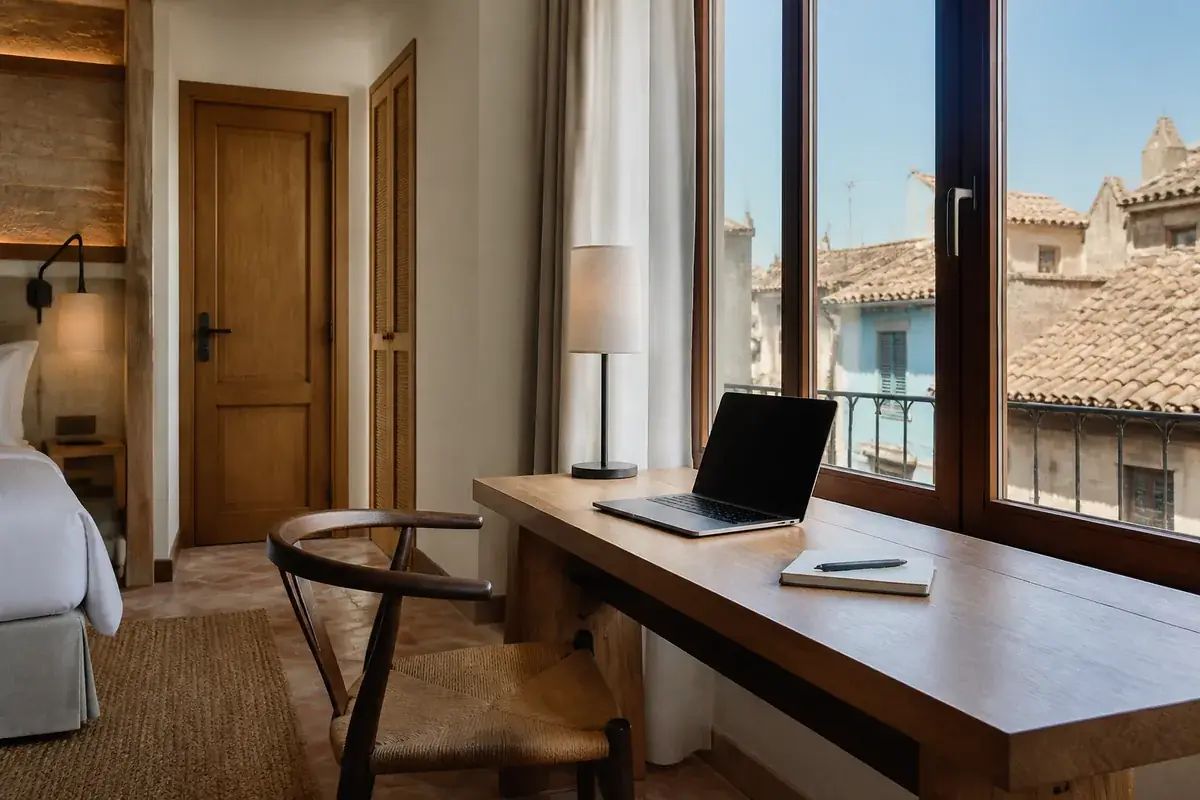
Best Boutique Stays for Digital Nomads: Comprehensive Guide
Evaluating accommodations for remote work across independent boutique hotels, private co-living retreats, and micro-resorts requires an analytical approach that extends far beyond aesthetic marketing photos and basic amenity listings. Over recent years, the global remote work landscape has shifted from short-term leisure extensions toward permanent location-independent professional operations. Consequently, digital nomads, remote executives, and specialized consultants require lodging environments that deliver enterprise-grade digital infrastructure alongside architectural quality, privacy, and community integration.
Assessing specialized accommodations for location-independent professionals demands evaluating physical site orientation, technical redundancies, workspace ergonomics, and long-term stay economics. A coastal villa compound in Bali, a design-forward boutique hotel in Lisbon, a historic townhome enclave in Mexico City, or an alpine retreat in Switzerland operates under distinct municipal infrastructure constraints, power grid stability limits, and localized internet routing conditions. Therefore, remote professionals and travel coordinators must audit back-of-house technical routing, electrical load capacities, acoustic isolation, and long-stay lease terms before executing reservations. When an accommodation fails to address these operational requirements, connectivity drops, ergonomic strain, and unexpected financial surcharges compromise professional throughput.
Evaluating boutique lodging options involves calculating net effective monthly cost models, auditing dual-ISP failover setups, measuring sound transmission class ratings, and verifying spatial privacy boundaries. For remote directors, independent founders, and location-independent professionals, selecting high-performance micro-inventory properties represents an exercise in operational risk management, infrastructure auditing, and lifestyle optimization. Recognizing how property operators balance boutique hospitality design with high-bandwidth digital infrastructure is essential for securing productive, high-value outcomes.
Understanding best boutique stays for digital nomads
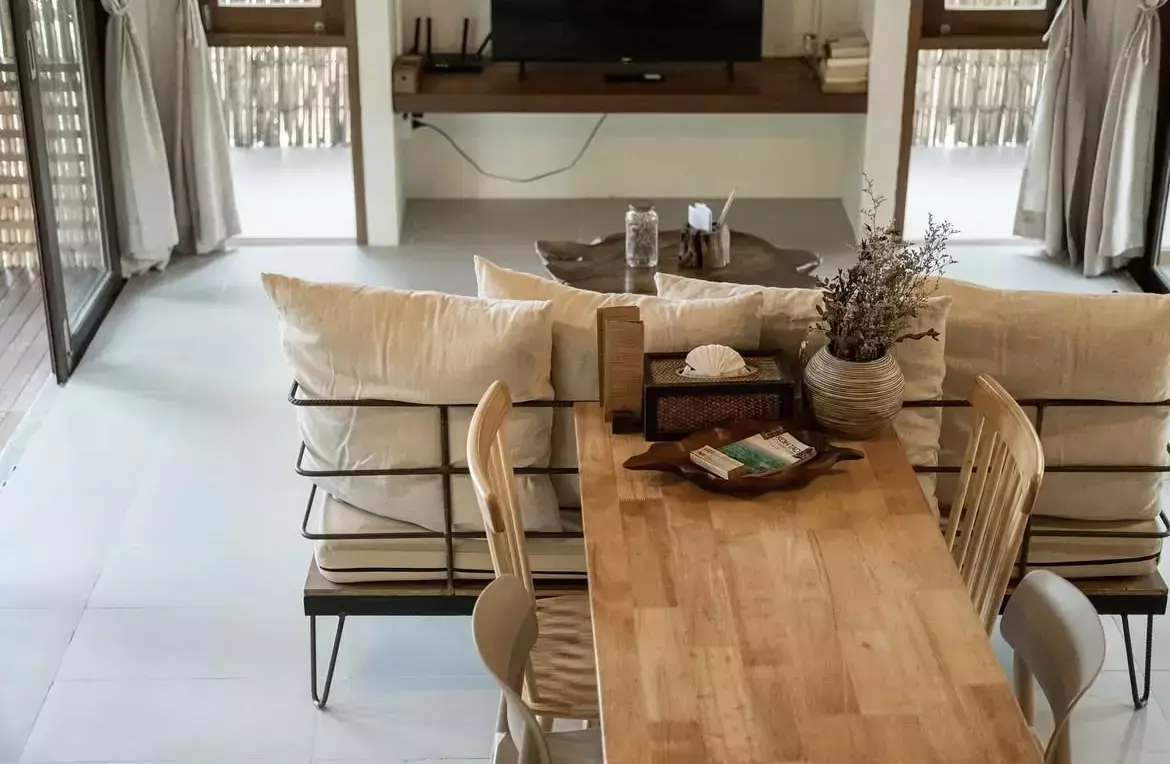
When location-independent executives and remote work strategists evaluate the best boutique stays for digital nomads, the primary objective involves distinguishing genuinely workplace-ready micro-properties from standard leisure hotels that simply offer basic Wi-Fi access. A widespread misunderstanding assumes that any boutique property featuring modern interior design and a lobby laptop table provides an adequate environment for full-time professional remote work. In reality, properties lacking dedicated fiber-optic lines, ergonomic seating, uninterrupted power supply (UPS) backups, and acoustic soundproofing frequently create operational bottlenecks that jeopardize professional commitments.
Furthermore, analyzing professional remote work environments requires separating surface-level guest amenities from fundamental technical infrastructure. A boutique suite advertising high-speed wireless internet provides minimal practical utility if the access point suffers from high latency during peak usage hours, lacks local network security protocols, or shares bandwidth across dozens of high-definition streaming devices without Quality of Service (QoS) management. Conversely, an enterprise-grade boutique stay for digital nomads incorporates dual-WAN redundant internet routing, dedicated ethernet ports, battery backup power systems, and soundproofed private call pods.
In addition, assessing these specialized properties requires understanding how extended-stay discount tariffs, local tax obligations, and long-term lease addendums interact across international jurisdictions. Managing a multi-month remote stay involves auditing local digital nomad visa compliance, currency transfer mechanics, and utility metering rules. When a booking workflow fails to audit these operational and legal variables in writing, unexpected connectivity failures, health-impairing ergonomic strain, or sudden lease disputes inevitably compromise the stay.
Deep Contextual Background
The economic and architectural architecture of boutique hospitality tailored for remote work has evolved significantly over the past three decades. Historically, location-independent professionals operated within two distinct housing categories: standardized corporate extended-stay apartments or low-cost budget hostels and guesthouses. Corporate apartments offered functional stability and reliable utilities but lacked cultural immersion, aesthetic inspiration, and community programming. Hostels and budget guesthouses delivered local social connection but suffered from unreliable connectivity, noise interference, and poor ergonomic setups.
The global expansion of high-speed fiber networks, cloud computing, and remote management tools transformed hospitality requirements. Independent hotel operators recognized an opportunity to capture high-occupancy, long-stay bookings during traditional off-peak seasons by redesigning rooms and shared spaces for remote workers. Consequently, boutique properties began unbundling traditional short-term guest services to offer hybrid co-living and co-working arrangements.
In the contemporary landscape, evaluating market options across high-end remote work accommodations has matured into a specialized real estate and infrastructure discipline. Modern boutique stay portfolios combine biophilic architectural design with local cultural integration, medical-grade air filtration, and enterprise digital infrastructure. By integrating residential privacy with professional workspace standards, premier boutique properties enable location-independent professionals to maintain demanding career responsibilities while exploring global destinations.
Conceptual Frameworks and Mental Models
Navigating the financial and technical evaluation of boutique lodging options for remote work requires structured analytical frameworks to balance infrastructure resilience, ergonomic health, and cost efficiency.
The Technical Infrastructure and Workstation Resilience Model
This framework evaluates a property’s operational efficiency across three core technical layers:
-
Connectivity and Network Layer: Symmetric fiber-optic connections, dual-ISP automatic failover, enterprise mesh Wi-Fi access points, and dedicated RJ45 ethernet connections.
-
Ergonomic and Acoustic Layer: Task chairs with adjustable lumbar support, height-appropriate desks, acoustic wall panels, and Sound Transmission Class (STC) ratings above 50.
-
Power and Environmental Layer: Uninterrupted Power Supply (UPS) units, automatic diesel generator backups, climate control, and natural lighting calibration.
The Net Effective Monthly Stay Cost (NEMSC) Model
This framework structures the true monthly financial baseline of an extended boutique stay by aggregating all baseline rates, ancillary surcharges, and productivity offsets:
-
Efficiency Benchmark: A boutique remote work arrangement achieves optimal financial value when ancillary infrastructure fees do not exceed ten percent of the baseline monthly rate.
Key Categories or Variations
When analyzing boutique properties engineered for location-independent professionals, accommodation models fall into distinct operational categories. Industry analysts classify these properties into six primary variations.
Urban Design-Led Co-Living Boutiques
High-density, design-forward urban properties combining private residential suites with shared professional co-working floors, meeting rooms, and communal kitchens in major international cities.
-
Trade-Offs: Offers central urban access and structured networking opportunities. However, room sizes may be compact, and common areas can become crowded during peak work hours.
Rural Ecosystem and Wellness Retreat Compounds
Secluded micro-properties situated in natural environments, integrating high-speed satellite or fiber internet with outdoor wellness amenities and quiet surroundings.
-
Trade-Offs: Delivers deep focus, minimal urban noise, and natural surroundings. Downside: Requires longer transit logistics and offers fewer local dining choices off-property.
Restored Historic Estate Enclaves
Heritage manor houses, farmhouses, or urban townhomes updated with modern digital infrastructure, offering spacious suites and historic architectural character.
-
Trade-Offs: Provides unique architectural charm and spacious layouts. On the downside, historic building materials like thick masonry walls can impair Wi-Fi propagation without dense access point deployment.
Coastal Surf and Hybrid Micro-Resorts
Boutique beach compounds catering to active digital nomads, combining access to water sports with soundproofed work booths and oceanfront work lounges.
-
Trade-Offs: Blends outdoor recreation with remote work capability. Risk: Salt-air exposure can degrade exterior electrical infrastructure and outdoor network equipment over time.
Alpine Work-and-Ski Chalet Networks
Mountain lodges designed for seasonal remote workers, offering heated ski storage, fireplace lounges, and dedicated high-speed workstations.
-
Trade-Offs: Grants direct access to winter sports and mountain scenery. Conversely, extreme winter weather events introduce risks of power grid disruptions and localized transit delays.
Island Villa Compounds with Shared Hubs
Clusters of private residential villas connected to a central estate management building housing professional co-working facilities and dining staging.
-
Trade-Offs: Delivers maximum residential privacy and private pool access. However, it relies on local micro-grid infrastructure that may require backup power generators.
Remote Work Boutique Accommodations Category Matrix
Detailed Real-World Scenarios
Examining detailed real-world scenarios demonstrates how technical auditing, ergonomic verification, and lease negotiation directly impact remote work outcomes.
Navigating Connectivity Failures in Coastal Costa Rica
A senior software architect reserved a two-month stay at a boutique eco-lodge in Santa Teresa to execute a critical product launch.
-
Constraints: Requirement for continuous video calls and large codebase deployments; heavy tropical rainfall season; remote coastal placement.
-
Decision Points: When reviewing options for the best boutique stays for digital nomads in tropical regions, the architect required the property manager to provide speed-test screen captures and confirm automatic dual-ISP failover setups.
-
Failure Modes Identified: The primary local internet service provider experienced frequent fiber line cuts during seasonal rainstorms.
-
Second-Order Effects: Because the property maintained an automated secondary Starlink satellite backup and battery UPS system, network connectivity transitioned seamlessly without dropping live developer calls.
-
Resolution: The software launch completed on schedule without downtime, demonstrating the necessity of auditing redundant network architecture.
Resolving Acoustic and Ergonomic Strain in an Urban Historic Boutique
A management consultant booked a one-month stay at a boutique historic townhome in Lisbon to manage European client engagements.
-
Constraints: 8 to 10 hours of daily confidential client calls; strict focus requirements; urban central location.
-
Decision Points: The consultant requested detailed room layout specifications to verify that the workstation included an adjustable task chair and that party walls met acoustic soundproofing standards.
-
Failure Modes Identified: Historic timber floors and thin partition walls in unrenovated properties transmit high levels of ambient street and interior noise.
-
Second-Order Effects: The property owner installed acoustic door seals and provided an ergonomic task chair prior to arrival, preventing physical fatigue and maintaining call confidentiality.
-
Resolution: The consultant maintained client deliverables without acoustic disruption, illustrating the importance of pre-arrival workstation audits.
Planning, Cost, and Resource Dynamics
Optimizing capital deployment across long-term boutique stays requires separating core accommodation rates from indirect infrastructure expenses, workspace fees, and local logistics.
Direct Versus Indirect Accommodation Expenditures
-
Direct Expenses: Monthly baseline room tariffs, mandatory cleaning fees, utility overage surcharges, and local tourism taxes.
-
Indirect Expenses: Private co-working desk memberships, mobile data backup plans, ergonomic equipment transport fees, and private airport transfers.
Financial Planning Matrix for Remote Work Lodging
Tools, Strategies, and Support Systems
Executing error-free long-term boutique property bookings relies on specialized technical verification tools, contract negotiation templates, and accredited agency partnerships.
-
Remote Network Diagnostic Tools: Utilizing specialized applications to test connection latency, packet loss, and jitter rates remotely before confirming bookings.
-
Standardized Long-Stay Lease Riders: Legal templates used to insert minimum bandwidth guarantees, power uptime SLAs, and noise curfews into lease agreements.
-
Portable Ergonomic Assessment Kits: Compact tools including laptop stands, external keyboards, and portable lumbar supports to optimize non-standard desks.
-
GIS Cell Tower and Satellite Coverage Maps: Analyzing geographical data to verify cellular signal strength and satellite coverage for remote property locations.
-
Accredited Remote-Work Lodging Marketplaces: Partnering with specialized platforms that independently audit and certify property internet speeds and workstation setups.
-
Uninterrupted Power Supply (UPS) Inspection Protocols: Verification checklists used to ensure property back-up batteries and diesel generators are operational.
Risk Landscape and Failure Modes
Failing to properly audit technical infrastructure, lease terms, and building acoustics introduces operational vulnerabilities during extended remote stays.
Single-Point Network Failure and Bandwidth Throttling
Relying on properties with a single internet service provider or uncapped shared Wi-Fi networks that experience severe speed degradation during peak usage hours.
Sub-Standard Workspace Ergonomics
Occupying accommodations featuring non-adjustable wooden chairs, glass dining tables, or improper desk heights that cause back, neck, and wrist strain over multi-week stays.
Acoustic Interferences and Privacy Breaches
Reserving rooms adjacent to street traffic, interior courtyards, or shared communal lounges that introduce noise disruptions during professional calls.
Governance, Maintenance, and Long-Term Adaptation
Sustaining high productivity across extended boutique property stays requires continuous infrastructure checks, mid-stay reviews, and proactive environment management.
-
48-Hour Pre-Arrival Infrastructure Check: Request final verification that room Wi-Fi access points, back-up generators, and climate control systems are operating properly.
-
Mid-Stay Workspace Maintenance Review: Re-evaluate workstation setup and network performance halfway through extended stays to correct issues early.
-
Layered Remote Work Governance Checklist:
-
Verify that internet download and upload speeds meet minimum operational requirements in writing.
-
Confirm that automatic power failover systems (UPS/Generator) are operational.
-
Inspect workstation seating and desk height for ergonomic alignment.
-
Audit room acoustic isolation and privacy buffers relative to shared property areas.
-
Measurement, Tracking, and Evaluation
Assessing the overall performance of a remote work accommodation involves monitoring quantitative technical metrics alongside qualitative productivity and well-being signals.
Key Performance Indicators
-
Network Uptime Percentage: The percentage of working hours executed without internet drops or severe latency spikes (Target: > 99.5%).
-
Ergonomic Comfort Rating: Qualitative assessment tracking the absence of physical strain or pain over extended work sessions.
-
Monthly Expenditure Efficiency: The net daily cost achieved through long-stay rate negotiations relative to baseline market tariffs (Target: > 20% savings).
Common Misconceptions and Oversimplifications
Fast Speed-Test Scores Guarantee Reliable Call Performance
High download speeds mean little if the connection suffers from high latency, packet loss, or unmanaged network jitter during live video conference calls.
All Co-Living Properties Offer Professional Work Environments
Many properties branding themselves as co-living focus primarily on social events, offering limited quiet workspace or functional ergonomic seating.
Portable Mobile Hotspots Can Fully Replace Landline Infrastructure
Cellular data networks in international destinations frequently suffer from network congestion, weather degradation, and strict data cap limits during large file transfers.
Long-Stay Discounts Are Automatically Applied at Checkout
Independent property operators rarely apply long-stay discounts automatically on public booking platforms; direct negotiation is required to secure favorable monthly rates.
Ethical, Practical, or Contextual Considerations
Living and working as a location-independent professional across international communities carries ethical, social, and economic responsibilities. Long-term visitors impact local housing markets, water resources, and energy grids. Sustainable remote travel practices include respecting municipal housing guidelines, paying appropriate local taxes, supporting independent local businesses, and minimizing environmental footprints. Demonstrating thoughtful civic responsibility ensures that the growth of remote work tourism benefits host destinations while preserving local culture and community integrity.
Conclusion
Selecting the best boutique stays for digital nomads requires a disciplined analytical approach that bridges real estate quality with enterprise digital infrastructure. Remote professionals must look beyond marketing photography to audit network redundancies, verify ergonomic standards, inspect acoustic isolation, and negotiate structured long-stay lease terms. Relying on unvetted booking portals or assuming basic leisure amenities are sufficient for remote work introduces operational risks that can disrupt professional performance. Conversely, by deploying technical verification protocols, calculating net effective monthly stay costs, and establishing clear contract terms, location-independent professionals protect their health, productivity, and capital. Ultimately, thorough infrastructure auditing transforms international boutique stays into highly inspiring, productive, and restorative living environments.